Timber vs Aluminium Windows: Which Is Better for UK Homes?
Timber and aluminium sit at the quality end of the UK window market, and buyers renovating a good house often shortlist both. They solve the same brief in opposite ways: timber offers warmth, tradition and repairability with a maintenance obligation attached; aluminium offers precision, slim frames and a finish that asks nothing of you for decades. This comparison walks through the differences that actually decide projects — appearance, upkeep, lifespan, thermal performance, planning and whole-life cost — with an honest note on where each wins.
For transparency: we manufacture and install aluminium windows (fabricating Cortizo and Schuco systems at our Uxbridge workshop) and we do not supply timber. We see both across survey work every week, and where timber is the right answer for a property we say so — including twice in this article.
Appearance and Character
Timber owns the heritage look. Painted joinery, putty lines, slender glazing bars and the slight softness of a hand-finished frame are what Georgian and Victorian architecture was drawn around. On a listed building or a fine period frontage, nothing else reads quite the same up close.
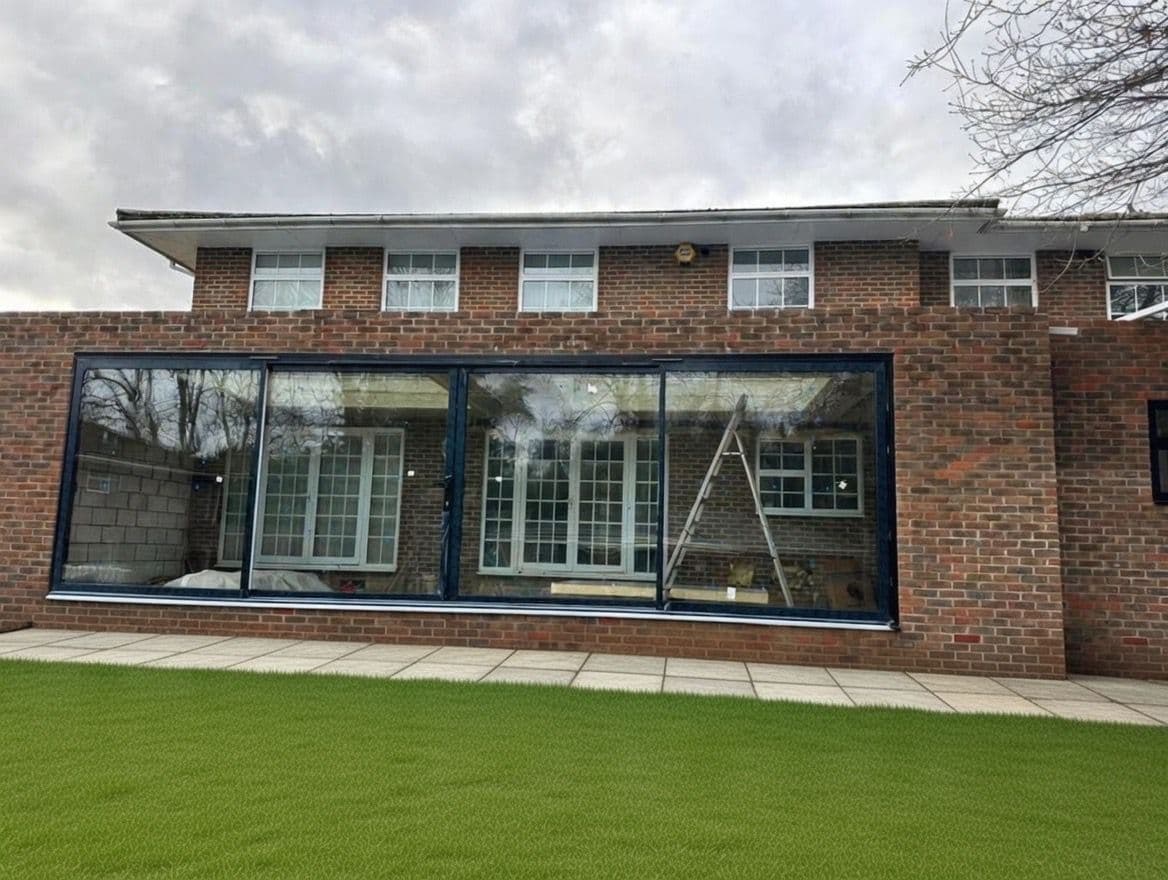
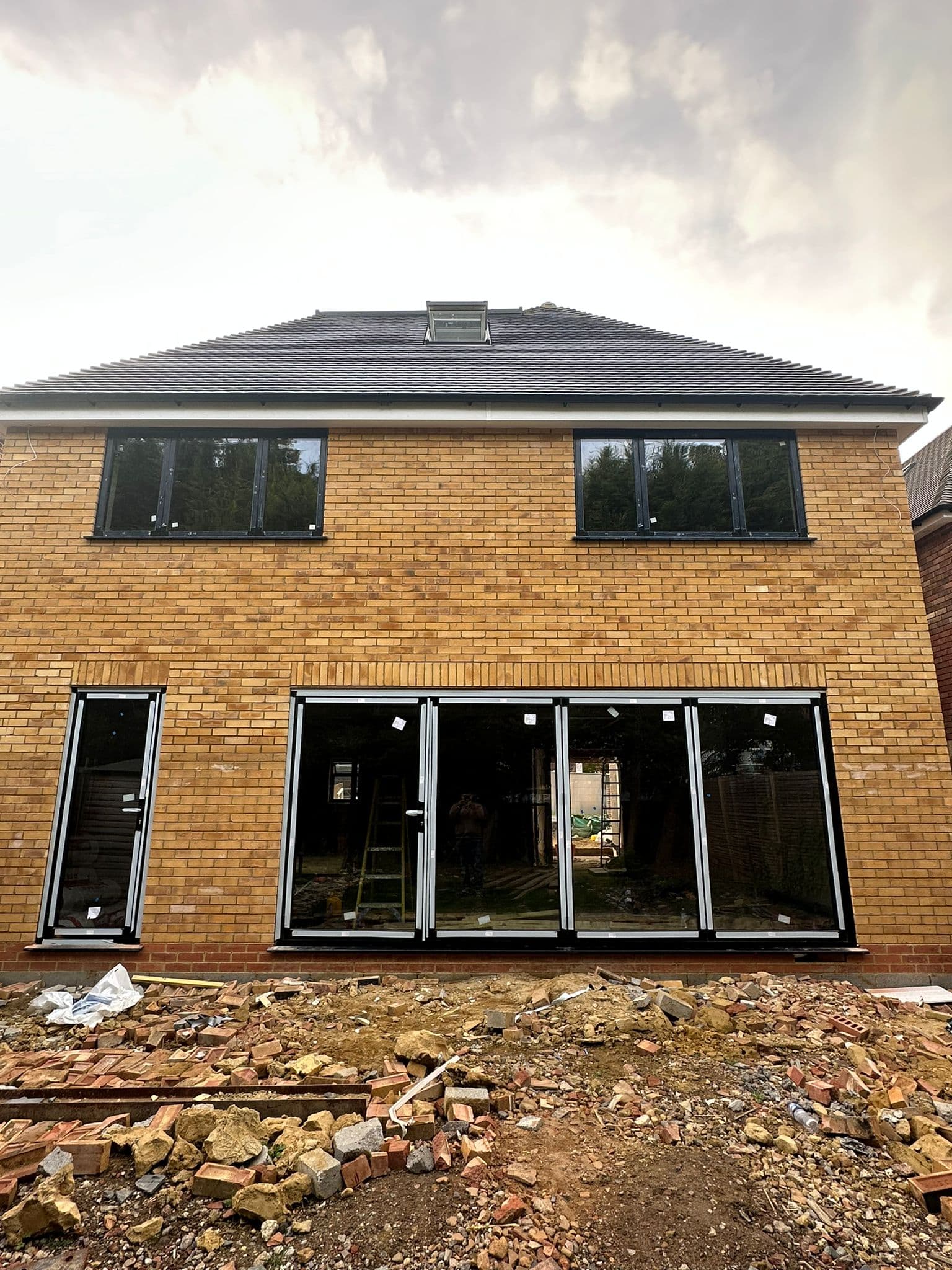
Aluminium owns the contemporary look. Powder-coated frames hold crisp, dead-straight lines that timber cannot, sightlines are slimmer for the same opening, and the RAL palette runs from anthracite to any colour a scheme needs. On modern architecture, extensions and renovations chasing more glass, aluminium is the native material. Slim-frame systems — including the Schuco AWS range and Cortizo casements we fabricate — push glass-to-frame ratios timber joinery cannot reach.
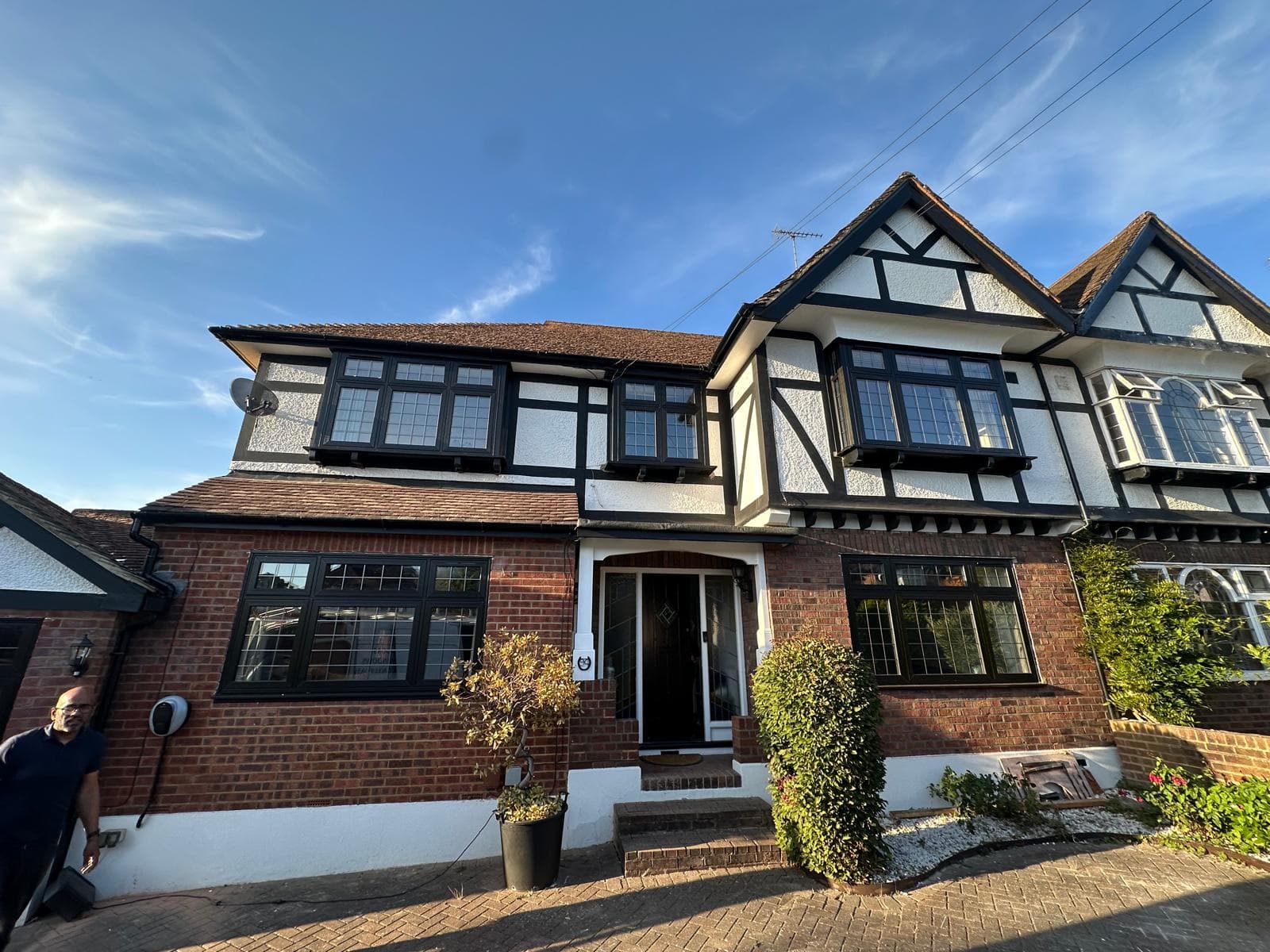
There is a middle path worth knowing: woodgrain-foiled and flush-fit frames now imitate painted timber convincingly at a distance, as our conservation-area windows guide covers.
Maintenance: The Deciding Difference for Many Households
Timber windows need repainting or re-staining every three to five years, on every elevation, for the life of the window. Skip a cycle and moisture finds the joinery; skipped cycles are how good timber windows die young. Budget both money and disruption for that obligation honestly, because it is the single most common reason timber owners eventually switch materials.
Aluminium's powder-coat finish is baked onto the metal at the factory and needs washing, nothing more. No repainting, no flaking, no seasonal swelling or sticking. For busy households, rental stock and hard-to-access elevations, this difference alone often decides the material. Our guide to aluminium maintenance shows quite how short the care list is.
Lifespan and Weathering
Well-maintained timber lasts generations and can be repaired joint by joint — a genuine advantage no metal frame matches. The caveat sits in the first two words: the lifespan claim belongs to well-maintained timber only.
Aluminium does not rot, warp, rust or swell. Frames routinely serve 40 years and more, as our guide to how long aluminium windows last sets out, and marine-grade powder coating handles exposed and coastal sites that punish paint. Thermal movement is engineered into the system rather than fought by a decorator.
Thermal Performance
Wood is naturally insulating, and a quality double-glazed timber window performs well. Aluminium conducts heat, which is why every serious aluminium system is thermally broken: an insulating polyamide barrier separates the outer and inner faces of the frame. Modern thermally broken systems meet and beat current Building Regulations comfortably — our explainer on thermally broken frames covers the engineering, and the U-value guide covers the numbers. In practice both materials reach the performance a comfortable, compliant home needs; the glass specification usually matters more than the frame material.
Planning, Conservation and Listed Buildings
On unlisted homes outside conservation areas, the choice is free. Inside a conservation area, officers vary: many accept slim aluminium or flush timber-look alternatives on unlisted houses, while others require timber, and listed buildings almost always demand like-for-like timber repair or replacement under consent. This is the first of the two places timber simply wins. Check the local position before ordering anything. Our conservation planning guide explains how.
Cost of Ownership
At purchase, quality timber and quality aluminium sit in the same premium territory, with bespoke hardwood joinery typically the most expensive route of all. The divergence is afterwards. Timber carries its repainting cycle for life; aluminium carries nothing beyond cleaning. Over a 30-year horizon the maintenance line, plus scaffold or access costs on taller elevations, adds a substantial sum to timber ownership that aluminium never incurs. For most owners comparing whole-life cost, aluminium is the cheaper premium window; for owners of repairable heritage joinery, patching and repainting original frames can undercut wholesale replacement — the second place timber wins.
The Verdict
Choose timber when heritage authenticity is the brief, when a conservation officer or listing requires it, or when original joinery can be repaired rather than replaced. Choose aluminium when you want slim frames, more glass, contemporary colour and a premium window that never asks for a decorator again. Both are quality answers; they simply serve different houses.
If aluminium is the direction, we fabricate the Cortizo and Schuco systems ourselves in Uxbridge, install FENSA registered with a 10-year CPA insurance-backed guarantee, and will set out the frame options for your home in a free quotation, across London, Buckinghamshire, Berkshire and the surrounding counties. The ranges are on our aluminium windows hub.
Frequently Asked Questions
Are aluminium windows better than timber?
Neither is universally better; they win different briefs. Aluminium wins on maintenance (washing versus repainting every three to five years), slim sightlines, colour choice and weathering. Timber wins on heritage authenticity, repairability and the settings where planning requires it. For most modern and unlisted homes, aluminium is the more practical premium choice; for listed and fine period properties, timber often remains the right answer.
Do timber windows really need repainting every few years?
Yes. Expect a cycle every three to five years depending on exposure, on every painted elevation, for the life of the windows. The finish is what protects the joinery from moisture, so deferred repainting shortens a timber window's life directly. That recurring cost and disruption, especially on upper floors needing access equipment, is the main reason many owners switch to aluminium or foiled uPVC at replacement time.
Are aluminium windows colder than timber windows?
Bare aluminium conducts heat, but no quality aluminium window is bare: modern frames are thermally broken, with an insulating polyamide barrier inside the profile separating outside metal from inside. Thermally broken aluminium meets current Building Regulations comfortably, and whole-window performance usually turns more on the glazing specification than on the frame material.
Can I fit aluminium windows in a conservation area?
Frequently yes on unlisted properties, particularly slim-profile and heritage-styled systems, but conservation areas differ street by street and officers differ with them. Listed buildings almost always require timber under consent. Confirm the local position with the council before ordering — an installer experienced in conservation work will know what nearby precedents have been approved.
Which lasts longer, timber or aluminium windows?
Aluminium typically serves 40 years and more with nothing but cleaning, and cannot rot, warp or rust. Timber can last generations in theory and is uniquely repairable, but only when its repainting cycle is kept up without fail; poorly maintained timber fails decades early. As lived rather than theoretical lifespan, aluminium is the more forgiving long-term frame.
Need advice on your next project?
Talk it through with the team, or leave your details for a free no-obligation written quote.
FENSA registered · 10-year CPA insurance-backed guarantee · Cortizo, Schuco & Rehau approved · Origin Approved Partner