Schuco Aluminium Windows Review: AWS 70 Range Assessed (UK)
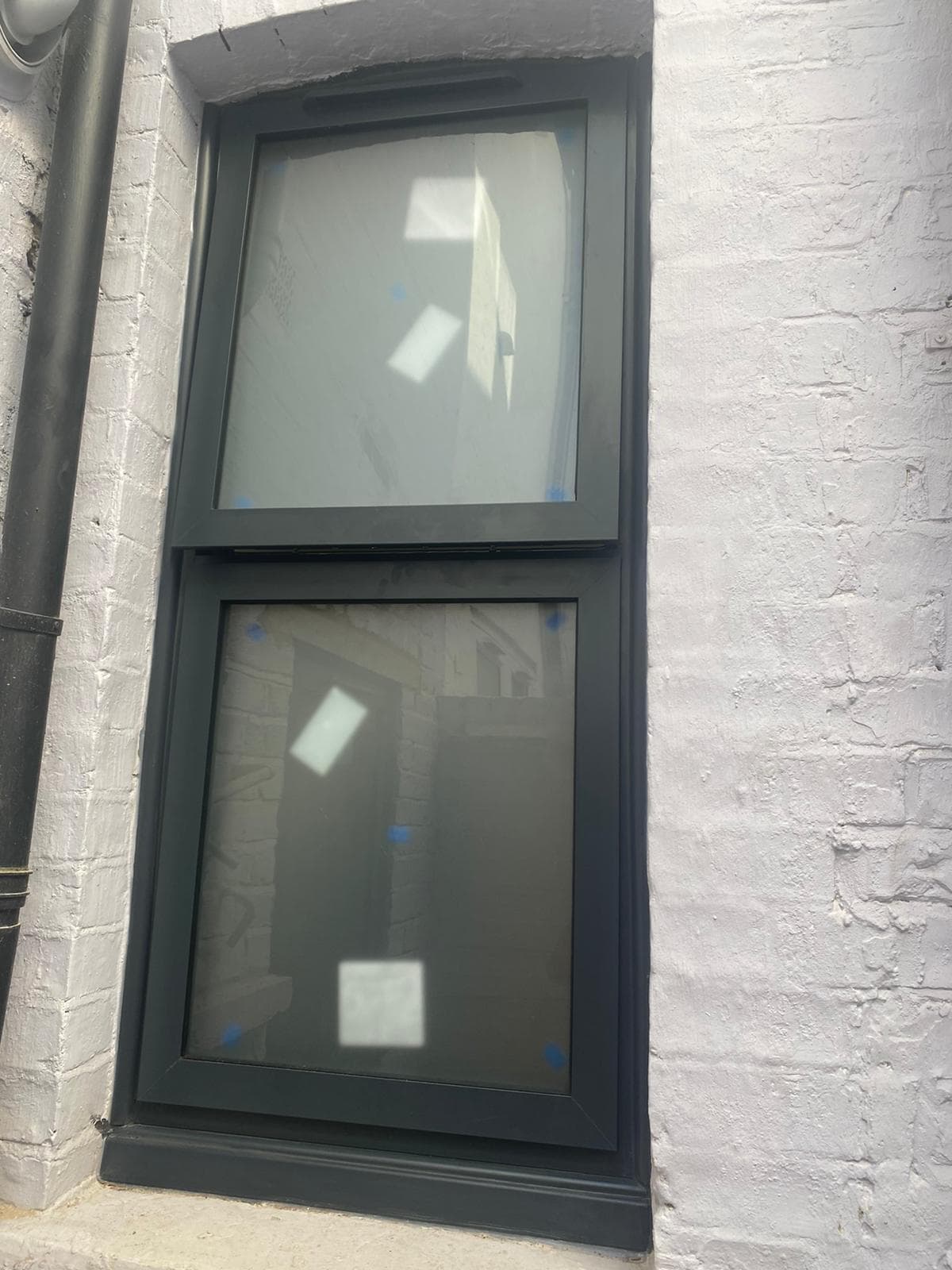
Schuco is one of the two aluminium systems we rate highly enough to fabricate ourselves, and its window range is where the German engineering reputation is easiest to feel in the hand. This review covers the three Schuco window systems we make and install for UK homes, the AWS 70.HI, the AWS 70 SC Slimline and the AWS 70 Tilt-and-Turn, with an honest view of who each suits, where Schuco justifies its positioning, and where a different choice serves you better.
For transparency on where we stand: Vitrum Solutions is a manufacturer and fabricator of Schuco systems as well as the installer. We machine and assemble Schuco profile into finished windows at our Uxbridge workshop, then survey and install with our own team. We also fabricate Cortizo, so when Schuco is the wrong answer for a project we have somewhere honest to point you, and we do further down this page.
The Schuco Window Range We Fit
AWS 70.HI is the core casement window. AWS is Schuco's window platform, 70 refers to the 70mm frame depth, and the HI designation marks the high-insulation build: the thermal break inside the profile is upgraded to cut heat loss through the frame itself, giving a frame U-value (Uf) from 1.6 W/m²K. Paired with A-rated double glazing it comfortably meets current Building Regulations, and with higher-specification glazing it goes well beyond them. This is the system we specify for most Schuco window projects: a clean, strong, thermally efficient casement that looks sharp in any RAL colour.
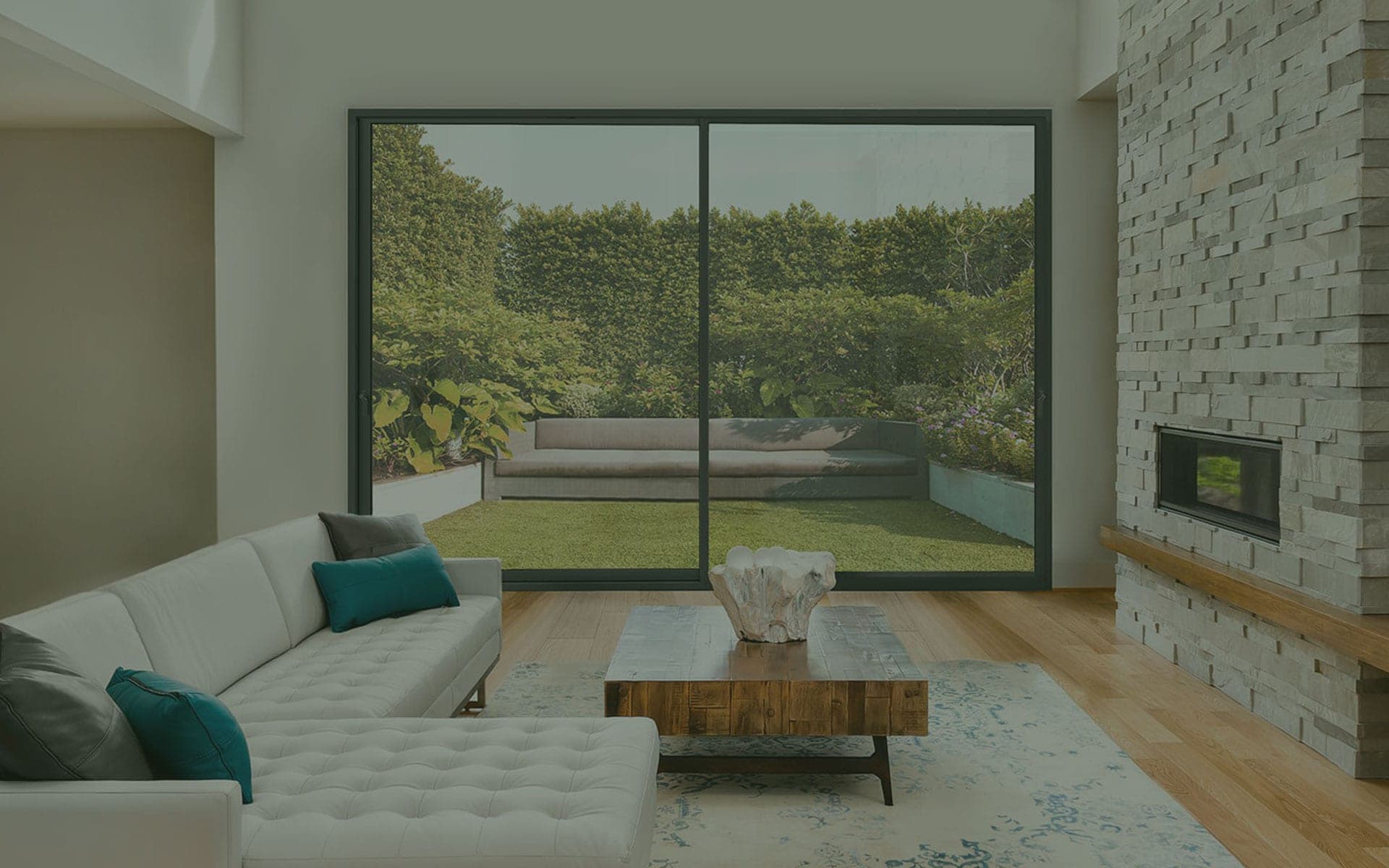
AWS 70 SC Slimline takes the same platform and slims the visible frame. The point of the system is more glass and less metal on the elevation, which is exactly what buyers who choose aluminium over uPVC are usually after. On a contemporary property, or a renovation chasing that gallery-glazed look, the Slimline earns its place. It pairs naturally with slim-interlock sliding doors on the same elevation.
AWS 70 Tilt-and-Turn is the practical one, and in our view one of the most under-specified windows in the UK. Turn the handle one way and the sash tilts inward at the top for secure ventilation; turn it further and the whole sash swings inward like a door for cleaning or escape. For upper floors, apartments and any window above a kitchen sink or a garage roof, inward opening solves real problems. Our full guide to tilt-and-turn windows covers the mechanism in detail.
Choosing Between the Three
All three are Schuco AWS 70 systems, so the choice comes down to how the window opens and how slim the frame needs to look. For a standard replacement or new build, the AWS 70.HI is the sensible default, and it usually reads best on a period home or a like-for-like replacement. Where the priority is maximum glass on a contemporary extension or rebuild, the SC Slimline is the one to choose. Where a window must open fully inward for cleaning, most often on upper floors or elevations that are hard to reach from outside, specify the Tilt-and-Turn. We settle the right variant for each opening at survey.
What Schuco Gets Right
Engineering tolerance. Schuco hardware and profile machining run tight. Sashes close with a solidity you notice immediately after living with tired uPVC, and that precision holds over years of use.
Thermal performance where it counts. The HI thermal break addresses the historic weakness of aluminium, the frame conducting heat, and does it inside the profile rather than as an afterthought. If you want to understand what the numbers on a window quote actually mean, our U-value explainer breaks it down.
Design coherence across a whole elevation. Schuco makes windows, bifolds, sliders and lift-and-slide doors on matching design language. A rear elevation with Schuco sliding doors and AWS windows above reads as one considered composition, with matching sightlines and identical powder-coat finish. Our reviews of the Schuco lift-and-slide doors and the wider Cortizo vs Schuco comparison cover the door side of that story.
Security and accreditation. The systems take PAS 24 specification for Building Regulations Approved Document Q compliance where required, and every Vitrum Solutions installation is FENSA registered with a 10-year CPA insurance-backed guarantee.
Where Schuco Is the Wrong Answer
Budget-led projects. Schuco is a premium system and the fitted price reflects it. If the budget leads the decision, quality uPVC delivers more warmth per pound: a Rehau TOTAL70 casement outperforms cheap aluminium and undercuts good aluminium. Aluminium earns its premium on aesthetics, slim frames and colour, and you should only pay it if those matter to you. Our aluminium vs uPVC comparison sets out the honest trade-offs.
Projects where Cortizo fits better. We fabricate both brands, and they win different projects. Cortizo's range gives us more flexibility on certain configurations and price points; Schuco's strength is the engineering coherence of a full-elevation system. At survey we will tell you plainly which serves your project better. The Cortizo windows review is the companion read to this one.
Heritage settings that demand timber-look detail. A conservation officer looking for putty-line period detail is rarely persuaded by a crisp aluminium contour. A flush uPVC casement in a heritage foil, or timber itself, is often the more approvable route. Our guide to windows in conservation areas covers where aluminium can and cannot work in those settings.
The Verdict
Schuco aluminium windows are among the best-engineered on the UK market, and the AWS 70 range covers the three ways most people actually want a window to work: a refined standard casement in the 70.HI, a glass-first slim frame in the SC Slimline, and the most practical opening mechanism we fit in the Tilt-and-Turn. The premium is real, and it buys precision, thermal performance and a whole-house design language that budget systems cannot match. Buy Schuco for a contemporary home you plan to keep; buy it from a fabricator who also fits it, so the same firm answers for the making and the fitting.
If you are weighing Schuco for a project in London, Buckinghamshire, Berkshire or the surrounding counties, book a free survey and we will bring samples, talk through AWS options against your elevation, and quote it as the fabricator. The full system line-up is on our Schuco brand page.
Frequently Asked Questions
Are Schuco windows worth the money?
For the right project, yes. The AWS 70 range delivers engineering precision, an upgraded thermal break and slim sightlines that budget aluminium and uPVC cannot match, and the whole-elevation design coherence with Schuco doors is unique to a full-system brand. For budget-led projects, quality uPVC such as Rehau TOTAL70 delivers more warmth per pound, and an honest installer will say so at survey.
What is the difference between the Schuco AWS 70.HI and the AWS 70 SC Slimline?
Both are built on the 70mm AWS window platform with the high-insulation thermal break. The 70.HI is the standard casement with conventional sightlines; the SC Slimline slims the visible aluminium contour so each opening shows more glass and less frame. The Slimline suits contemporary elevations and pairs naturally with slim-interlock sliding doors; the 70.HI is the all-rounder.
Who fabricates Schuco windows in the UK?
Schuco supplies the profile system from Germany, and approved fabricators machine and assemble it into finished windows. Vitrum Solutions is a manufacturer and fabricator of Schuco windows at our Uxbridge workshop as well as the FENSA-registered installer, so the same firm makes, surveys and fits the windows and stands behind both with a 10-year CPA insurance-backed guarantee.
Are Schuco tilt-and-turn windows secure?
The tilt position is one of the mechanism's quiet strengths: the sash opens at the top for ventilation while remaining engaged with the frame, a far more secure arrangement than a casement left ajar. In the closed position the multi-point locking engages around the sash, and the system can be specified to PAS 24 where Approved Document Q compliance is required.
Should I choose Schuco or Cortizo windows?
We fabricate both, and the honest answer depends on the project. Schuco leads on whole-elevation design coherence and engineering refinement; Cortizo gives more flexibility on certain configurations and price points. Read our Cortizo vs Schuco comparison for the detail, or ask at survey and we will recommend the one that fits your project rather than a house favourite.
Are Schuco AWS 70 windows suitable for a period property?
Often, with the right variant. The AWS 70.HI casement is usually the better match for a period home or a like-for-like replacement, while the SC Slimline suits a contemporary extension or rebuild. In a conservation area the local planning authority decides, and a flush uPVC casement in a heritage foil, or timber, can be the easier route to approval. Our conservation areas guide covers where aluminium works and where it struggles.
Need advice on your next project?
Talk it through with the team, or leave your details for a free no-obligation written quote.
FENSA registered · 10-year CPA insurance-backed guarantee · Cortizo, Schuco & Rehau approved · Origin Approved Partner