Aluminium vs uPVC Windows
Choosing between aluminium and uPVC windows is one of the most common decisions homeowners face during a renovation. Both materials have improved significantly over the past decade, but they still have distinct strengths and trade-offs. This guide compares them across the factors that matter most — appearance, thermal performance, security, durability and cost — so you can make a confident choice.
Appearance
Aluminium frames are significantly slimmer than uPVC, which means more glass and a cleaner, more contemporary look. A typical aluminium frame is around 50-65mm wide, while a uPVC frame is usually 70-80mm or more. This difference might sound small on paper, but it's noticeable in person — especially on larger windows or floor-to-ceiling glazing.
Aluminium is available in virtually any RAL colour and can be finished in matt, satin or gloss. Dual-colour options are common, allowing a different colour inside and out. uPVC has improved in recent years with foiled finishes that mimic wood or anthracite grey, but the range is still more limited and the finish can look less refined up close.
Thermal Performance
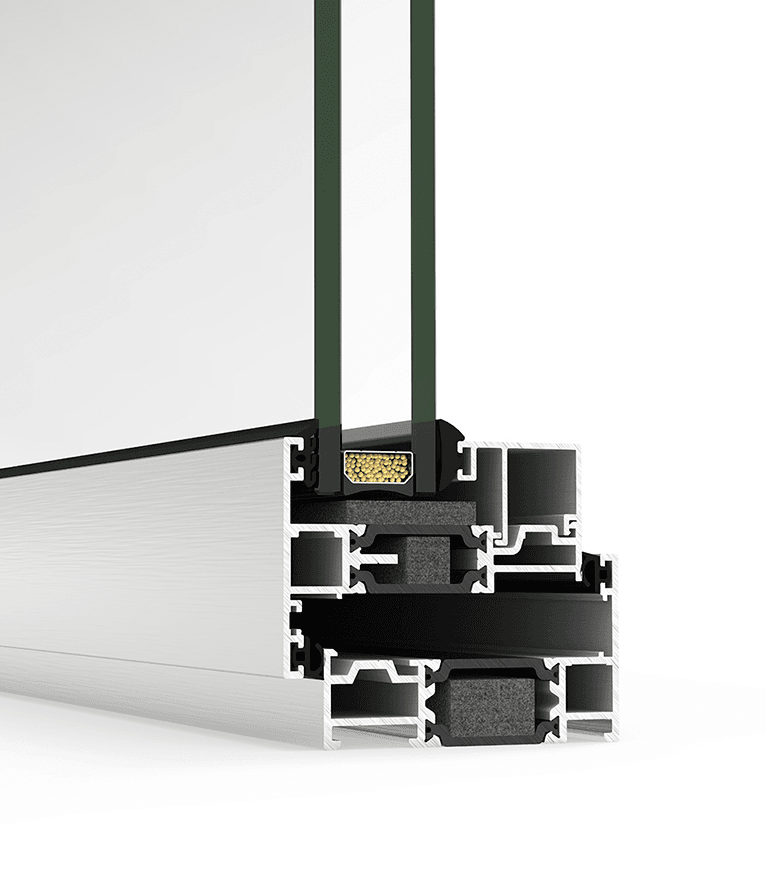
Modern aluminium windows use thermally broken profiles — an insulating barrier within the frame that prevents cold transfer. This means they now achieve U-values comparable to uPVC, typically around 1.2-1.4 W/m2K with double glazing. uPVC windows have always been good insulators due to the material's low conductivity, and they achieve similar U-values at a lower price point.
With triple glazing, both materials can achieve U-values below 1.0 W/m2K. In practice, the thermal performance difference between a quality aluminium and uPVC window is negligible — it comes down to the glazing specification and the quality of installation rather than the frame material alone.
Security
Aluminium is inherently stronger than uPVC, which gives it a natural advantage in terms of forced-entry resistance. Most aluminium window systems are PAS 24 certified as standard. uPVC windows can also achieve PAS 24, but they often require steel reinforcement within the frames to do so. Both materials are available with multi-point locking systems and laminated glass options.
Durability and Lifespan
Aluminium has the edge on longevity. Aluminium windows have an expected lifespan of 40+ years. The powder-coated finish is UV-stable, scratch-resistant and won't peel, flake or discolour. uPVC windows last 35+ years. While they're low-maintenance, they can yellow, warp or become brittle over time, especially in south-facing positions with prolonged sun exposure.
Cost
Aluminium windows cost more than uPVC. Across a full set of windows for a typical home the difference is significant, and our new windows cost guide sets out current figures. The premium reflects the material cost, the precision manufacturing involved, and the longer-lasting finish.
When you factor in the longer lifespan and virtually zero maintenance, the cost gap narrows over the life of the windows. Many homeowners choose aluminium for its slimmer sightlines and finish rather than on cost alone.
Which Is Right for You?
If your priority is kerb appeal, longevity and a premium finish, aluminium is the clear choice. It suits modern builds, extensions, and any project where slim frames and maximum glass area matter. If you're working to a tighter budget and need solid performance without the premium price tag, uPVC remains an excellent option — especially for like-for-like replacements in traditional properties.
At Vitrum Solutions we install both aluminium and uPVC windows and are happy to advise on the best option for your home, style and budget. There's no pressure to go one way or the other — we want the right product in the right place.
Which Systems We Fit
On the aluminium side we fabricate Cortizo and Schuco: the Cortizo Cor 70 Hidden Sash for a near-frameless casement, Cor Vision sliders for wide openings, and the Schuco AWS 70 range. On uPVC we fabricate Rehau, including the TOTAL70 casement and the Rio flush casement for a timber look in a maintenance-free frame.
Because we cut, machine and assemble the profile into finished units in our own Uxbridge workshop and fit them with our own team, you deal with one company from profile to finished installation rather than a separate fabricator and fitter. Every job is FENSA-registered and carries a 10-year CPA insurance-backed guarantee.
Frequently Asked Questions
Are aluminium windows better than uPVC?
It depends on your priorities. Aluminium windows offer slimmer frames, a more contemporary look and a longer lifespan (40+ years). uPVC is more affordable upfront and performs well thermally. For most homeowners seeking a modern, durable finish, aluminium is the longer-lasting choice.
How much more do aluminium windows cost than uPVC?
Aluminium windows cost more than equivalent uPVC windows. Across a whole house that premium adds up, though a longer lifespan and lower maintenance narrow that gap over time.
Do aluminium windows add value to a house?
Yes. Aluminium windows are widely considered a premium upgrade that enhances kerb appeal and market value. Estate agents frequently highlight them as a selling point, particularly in modern or contemporary properties.
How long do aluminium and uPVC windows last?
Aluminium windows typically last 40+ years with minimal maintenance. uPVC windows have an expected lifespan of 35+ years, though they can start to discolour or lose rigidity sooner if exposed to harsh weather or direct sunlight.
Want help choosing the right windows for your home?
Talk it through with the team, or leave your details for a free no-obligation written quote.
FENSA registered · 10-year CPA insurance-backed guarantee · Cortizo, Schuco & Rehau approved · Origin Approved Partner