Rehau Rio Flush Casements: UK Buyer's Guide for Conservation Areas (2026)
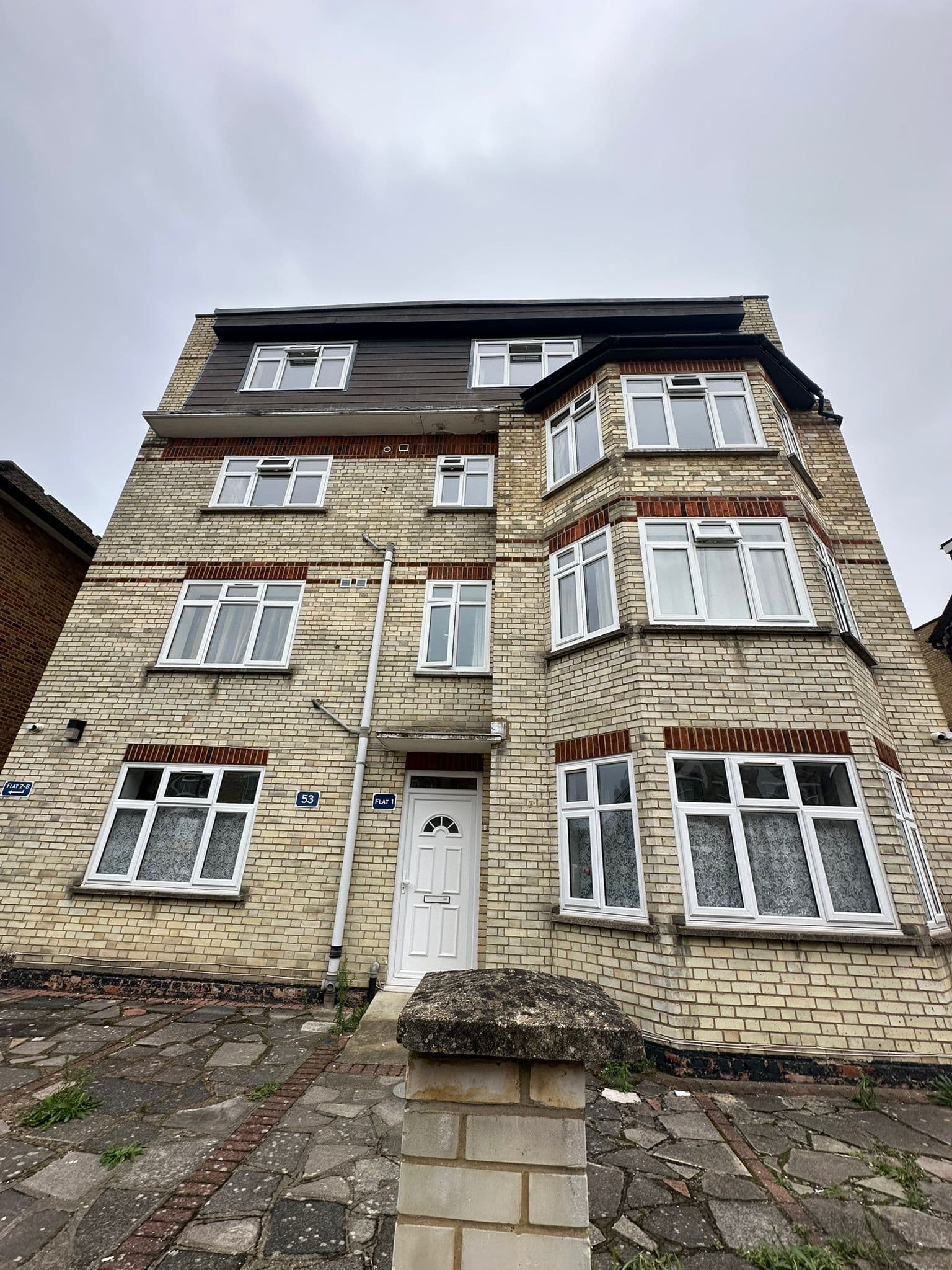
Flush casement windows have become one of the fastest-growing product categories in the UK glazing market. The appeal is simple: they offer the clean, traditional appearance of timber windows with the low maintenance and thermal performance of modern uPVC. The Rehau Rio system is one of the most popular flush casement profiles available, and for good reason. This guide covers everything you need to know — from the design details to whether they will pass planning in a conservation area.
Choose Rehau Rio if you need flush-casement timber-look uPVC for a conservation area, an Article 4 zone or a period property. The mechanical-jointed corners are what planning officers want to see, and the 10-year colour-foil guarantee covers heritage finishes like Chartwell Green, Agate Grey and Cream. For the broader Rehau range (TOTAL70 casements and Slinova inline sliders) see our Rehau range review; for a head-to-head against the closest German rival, see Rehau vs Veka.
What Are Flush Casement Windows?
A flush casement window sits flat within the frame when closed, rather than protruding forward like a standard stormproof casement. This creates a smooth, uniform appearance from the outside that closely replicates the look of traditional timber windows. The difference is subtle but significant — particularly for period properties, heritage homes, and properties in conservation areas where planning officers scrutinise window replacements closely.
Standard uPVC casement windows have a visible step between the sash (the opening part) and the frame. This stepped profile is one of the main reasons uPVC windows look obviously modern on older properties. Flush casements eliminate this step entirely, which is why they have become the preferred choice for homeowners who want modern performance without compromising their property's character.
The Rehau Rio System: What Makes It Special?
The Rehau Rio is a dedicated flush casement system — not a modified version of a standard window. This distinction matters because purpose-built flush systems achieve a more authentic timber-like appearance than retrofit solutions.
Mechanical Joints vs Welded Corners
The most significant feature of the Rehau Rio is its mechanically jointed corners. Standard uPVC windows use heat-welded corners, which leave a visible bead of melted plastic at each joint. While fabricators clean these welds, they still produce a rounded, slightly uneven corner that looks distinctly different from timber.
The Rio's mechanical joints are precision-cut and assembled with hidden fixings, producing sharp 90-degree corners that are virtually identical to the mitred joints on timber windows. This single detail is often the difference between a planning officer approving or rejecting a uPVC window in a sensitive area.
Profile Design
- Frame depth: 70mm (compatible with most existing subframes)
- Sash sits flush with the outer frame when closed
- Ovolo or chamfered beading options to match different architectural styles
- Slim sightlines — narrower than standard uPVC, though wider than aluminium
- Deep bottom rail option available to replicate traditional timber proportions
Thermal Performance
- Energy rating: A rated as standard with double glazing
- U-value: 1.3 W/m²K
- Multi-chamber profile for inherent thermal insulation
- Warm-edge spacer bars reduce condensation at the glass edge
Security
- PAS 24:2022 certified — the current UK security benchmark
- Multi-point locking with concealed espagnolette hardware
- Internal beading — glass is secured from inside, preventing external removal
- Optional laminated glass for enhanced ground-floor security
Heritage Properties and Conservation Areas
This is where the Rehau Rio truly earns its place. If your property falls within a conservation area or is subject to an Article 4 direction, replacing windows is not straightforward. Many conservation areas have specific restrictions on:
- Window materials (some insist on timber only)
- Opening mechanisms (some require traditional side-hung casements)
- Glazing bar patterns (some require matching the original design exactly)
- Colour and finish (some restrict options to heritage colours)
Article 4 Directions
An Article 4 direction removes certain permitted development rights, meaning you need planning permission for changes that would normally be allowed automatically. In the context of windows, an Article 4 direction typically means you cannot replace windows without planning approval — even if you are replacing like-for-like.
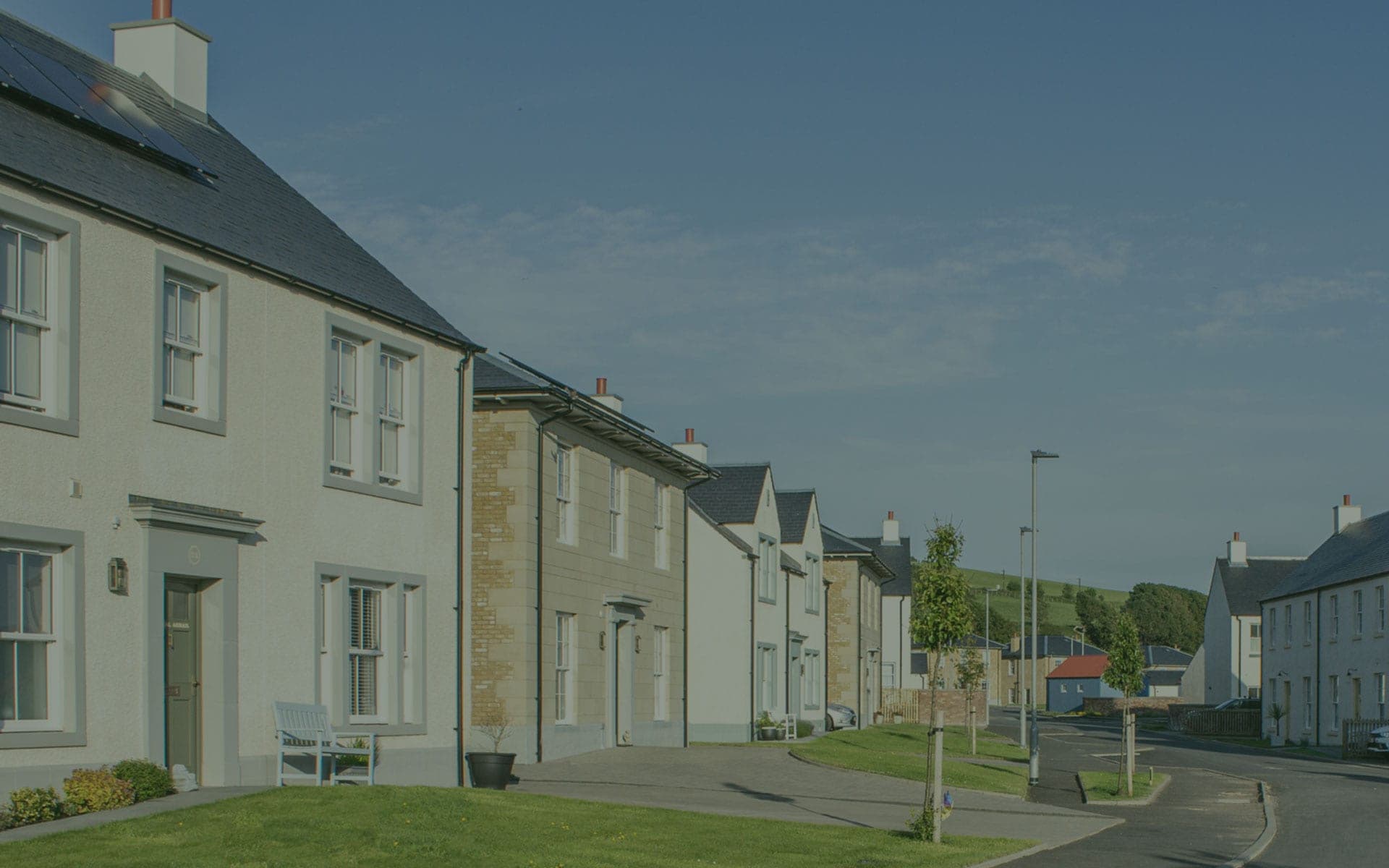
In Buckinghamshire and Berkshire, Article 4 directions are common in towns like Beaconsfield Old Town, Marlow, Amersham Old Town, and parts of Windsor. If your property is affected, the Rehau Rio's mechanical joints and timber-like proportions give you the best chance of gaining approval for uPVC over timber.
Planning Tips for Conservation Areas
1. Contact your local planning authority before ordering — ask specifically whether uPVC flush casements with mechanical joints are acceptable 2. Provide technical drawings showing the flush profile, mechanical joint detail, and glazing bar configuration 3. Choose an appropriate colour — Chartwell Green, Cream, and heritage woodgrain finishes are generally more acceptable than white in conservation areas 4. Match the existing glazing bar pattern — if your current windows have Georgian bars, specify matching astragal bars on the Rio 5. Consider uPVC sliding sash windows if your property originally had vertical sliders — the Rehau sash system also features mechanical joints
Many planning officers now accept high-quality flush casement uPVC windows as an alternative to timber, particularly when the mechanical joint detail is demonstrated. However, acceptance varies by authority, and listed buildings almost always require timber or specialist heritage systems.
Colour Options
The Rehau Rio is available in the full Rehau colour range, which includes options particularly suited to heritage and traditional properties:
Heritage Colours
- Chartwell Green — the classic country house colour, extremely popular for period properties
- Agate Grey (RAL 7038) — a softer, warmer grey than Anthracite
- Cream — suitable for cottages and rural properties
- Pearl Grey — a lighter heritage grey suitable for traditional properties in the Cotswolds and surrounding areas
Contemporary Colours
- Anthracite Grey (RAL 7016) — the most popular colour in the UK market
- Slate Grey — a slightly blue-toned grey alternative
- Black — high-contrast, modern appearance
- Smooth White — clean, bright finish
Woodgrain Finishes
- Irish Oak — warm, traditional timber appearance
- Golden Oak — lighter oak finish
- Rosewood — deep, rich mahogany-style finish
- Anthracite Woodgrain — combines the popular grey colour with a textured timber effect
All colours are applied as UV-stabilised foils with a 10-year colour guarantee. Dual-colour options are available (for example, Chartwell Green exterior with white interior), which is useful for conservation areas where the exterior colour matters but you prefer white internally.
Cost: Rehau Rio vs Standard uPVC vs Timber
Flush casement windows carry a premium over standard uPVC, but they are significantly cheaper than timber. Here is where each option sits, installed with FENSA certification:
| Window Type | Relative installed cost | Ongoing maintenance |
|---|---|---|
| Standard uPVC casement | Entry | Low |
| Rehau Rio flush casement | Mid | Low |
| Timber flush casement | Premium | Repainting every 3-5 years |
Across all three, coloured and woodgrain finishes such as Chartwell Green, Anthracite Grey and Irish Oak cost more than white. For current installed prices, see our Rehau windows cost guide.
Rio flush casements carry a clear premium over standard uPVC, driven by the more complex profile fabrication and mechanical jointing process. However, compared to timber, which needs repainting every 3-5 years, the lifetime cost of Rehau Rio is substantially lower.
On a full house replacement for a 3-bed period property (typically 8-10 windows), Rehau Rio flush casements in a heritage colour cost substantially less than equivalent timber windows. The window count, sizes, colour and glass specification set the final figure, so an itemised written quote is the reliable way to compare.
Rehau Rio vs Other Flush Casement Systems
The Rehau Rio is not the only flush casement system on the market. Key competitors include:
- Deceuninck Heritage — similar mechanical joint option, slightly narrower sightlines, smaller colour range
- Veka Imagine — flush system with welded corners (not mechanical joints), which limits conservation area suitability
- Residence 9 (R9) — a premium 9-chamber system designed to replicate 19th-century timber exactly, but at a significantly higher price point
- Timber — the original and still preferred by listed building officers, but with high maintenance requirements
The Rehau Rio sits in the sweet spot between standard flush casements and ultra-premium systems like R9. It offers mechanical joints (critical for planning) without the price premium of specialist heritage systems.
Installation Considerations
Flush casement windows require more precise installation than standard uPVC. The flush profile means any misalignment between sash and frame is immediately visible — there is no step to hide minor fitting errors. This makes installer quality particularly important.
When choosing an installer for Rehau Rio windows, ensure they:
1. Have specific experience with flush casement systems (not just standard uPVC) 2. Are FENSA or Certass registered for building regulations compliance 3. Provide an insurance-backed guarantee — essential if the company ceases trading 4. Can show examples of previous flush casement installations, ideally in conservation areas
At Vitrum Solutions, we install Rehau Rio flush casements across Buckinghamshire, Berkshire, and West London. We regularly work with conservation officers and can assist with planning applications where required. Every installation comes with FENSA certification and a 10-year insurance-backed guarantee. Contact us for a free quote on flush casement windows.
How Vitrum Solutions Can Help
Whether you are replacing windows in a conservation area or simply prefer the clean aesthetic of flush casements, we can help. As a Rehau Partner and Installer, we supply and install the full Rehau Rio range alongside our standard uPVC casement windows, aluminium flush casements, and composite entrance doors. Our showroom in Uxbridge has working samples of both standard and flush casement profiles so you can compare them side by side.
Frequently Asked Questions
Are Rehau Rio windows approved for conservation areas?
Rehau Rio flush casement windows with mechanical joints are accepted by many (but not all) UK planning authorities for conservation area properties. The mechanical joints produce sharp corners that closely replicate timber, which is the key requirement for most conservation officers. However, approval varies by authority — always check with your local planning department before ordering.
What is the difference between Rehau Rio and standard Rehau windows?
The Rehau Rio is a flush casement system where the sash sits flat within the frame, while standard Rehau TOTAL70 windows have a stepped profile where the sash protrudes forward. The Rio also offers mechanical joints for timber-like corners, whereas TOTAL70 uses welded corners. The Rio is designed for heritage aesthetics; the TOTAL70 is designed for maximum thermal performance and value.
How much do Rehau Rio flush casement windows cost?
Rehau Rio flush casement windows carry a premium over standard uPVC casements, driven by the more complex profile and mechanical jointing, but cost substantially less than equivalent timber flush casement windows. Size, colour and glazing specification set the final price. Our Rehau windows cost guide covers current installed prices.
Can I get Rehau Rio windows in Chartwell Green?
Yes. Chartwell Green is one of the most popular colour options for Rehau Rio flush casements, particularly for properties in rural or conservation areas. It is available as a full wrap or as an exterior-only finish with white interior. The colour is applied as a UV-stabilised foil with a 10-year guarantee.
Do Rehau Rio windows need planning permission?
If your property is in a conservation area or subject to an Article 4 direction, you will likely need planning permission to replace windows — regardless of the system you choose. Outside conservation areas, window replacement is generally permitted development and does not require planning permission, provided the new windows are of similar appearance and meet Building Regulations (which FENSA certification covers automatically).
Need advice on your next project?
Talk it through with the team, or leave your details for a free no-obligation written quote.
FENSA registered · 10-year CPA insurance-backed guarantee · Cortizo, Schuco & Rehau approved · Origin Approved Partner