Bay vs Bow Windows: What's the Difference and Which Suits Your Home?
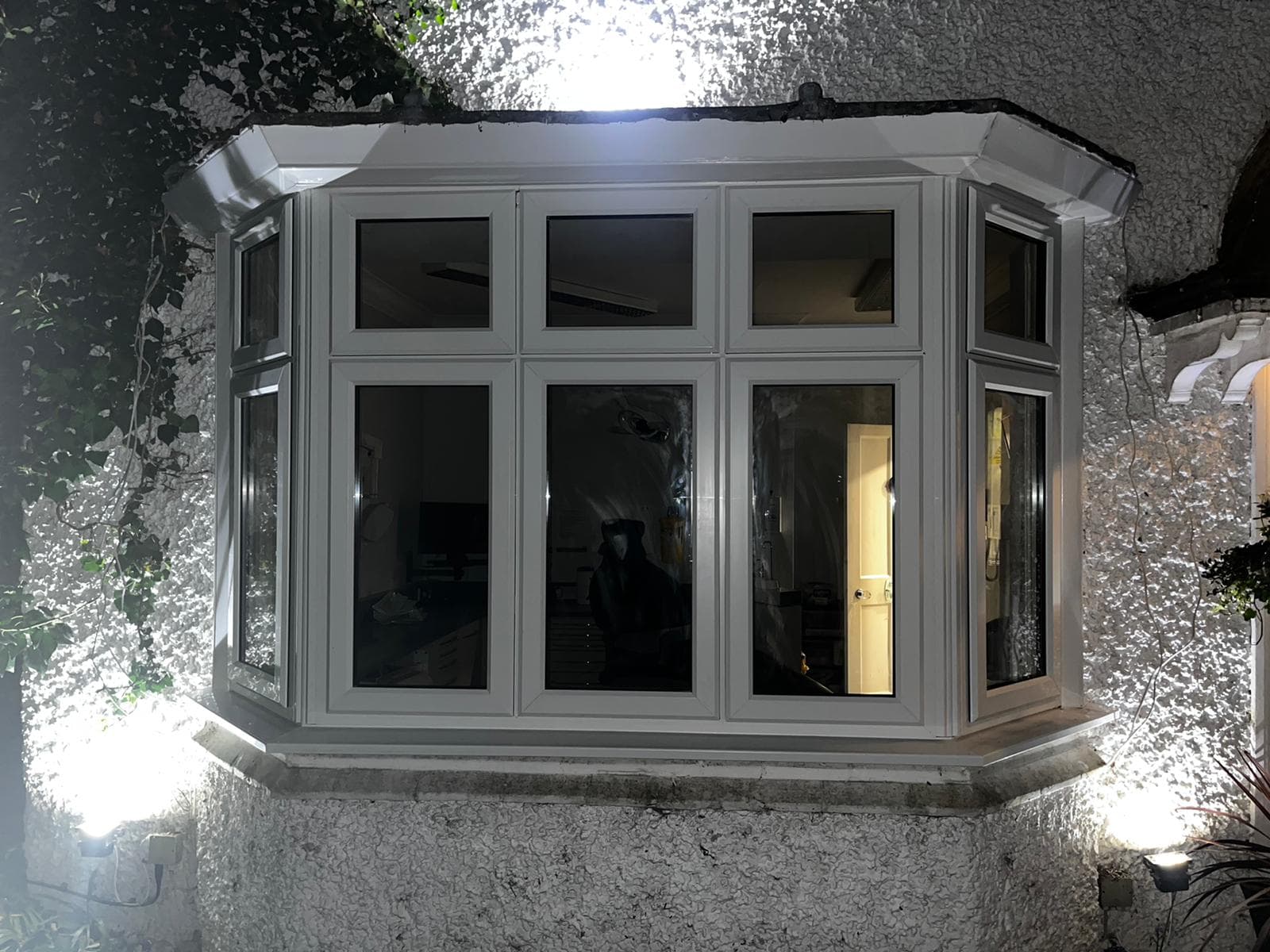
Bay and bow windows are two of the most characterful ways to add light, space and architectural interest to a home. They are often confused, and the terms are sometimes used interchangeably, but they are genuinely different in shape, effect and the kind of property they suit. This guide explains the difference clearly, so you can decide which is right for your home before you ask for a quote.
The Simple Difference
The quickest way to tell them apart is the line they draw against the wall.
- A bay window has a flat front with angled sides. It is made of straight sections, typically three, joined at angles (commonly 30 or 45 degrees) so the window projects outward in a bold, faceted shape.
- A bow window forms a gentle curve. It is made of more sections, usually four or five, each set at a shallow angle so the overall effect is a smooth, rounded sweep rather than sharp corners.
In short: a bay is angular and projecting, a bow is curved and softer. Both push the window line beyond the face of the wall, creating a pocket of extra space inside and a strong feature outside.
How They Look on Different Homes
The right choice often comes down to the architecture of the property.
Bay windows suit the majority of British housing stock. The classic Victorian and Edwardian terrace bay, the 1930s semi splay bay, and most modern homes all wear an angular bay naturally because the straight sections echo the straight lines of the building. If your street is lined with bays, a bay is almost always the sympathetic choice.
Bow windows suit properties where a softer, more decorative line works with the facade. They sit beautifully on Georgian and period cottages, on larger detached homes where the curve has room to breathe, and on contemporary builds making a deliberate feature of the shape. A bow can feel more elegant and less assertive than a bay, but on a small frontage it can also look out of place, so proportion matters.
Light and Internal Space
Both styles bring in considerably more light than a flat window of the same opening width, because the angled or curved sections capture daylight from multiple directions throughout the day.
- A bay creates a defined alcove, ideal for a window seat, a reading nook or a dining table pushed into the recess. The flat front gives you a usable straight surface inside.
- A bow creates a shallower but wider curved recess that floods a room with light across a broader arc. It is less suited to a built-in seat because of the curve, but it can make a room feel notably wider and brighter.
If you want a functional alcove, lean bay. If you want maximum light and a sense of width, a bow has the edge.
Structural Considerations
Both bay and bow windows project beyond the wall, so they need proper structural support. On most installations this is handled with a load-bearing bay pole system and correctly specified head and sill details, so the window carries any load above it safely. This is not a DIY consideration; it is one of the reasons bay and bow replacement should always be carried out by an experienced installer who surveys the existing opening and specifies the support correctly.
Our uPVC bay and bow windows use a structural bay pole system and are made to the surveyed angles of your existing opening, so a replacement matches the original projection without disturbing the brickwork above.
Cost: What to Expect
As a rough guide for the UK market, bow windows usually cost a little more than bay windows of a similar opening width, because they have more sections, more joints and a more complex curved frame to manufacture. For either shape, the price rises with size, frame material, glazing specification and the structural work required.
The real figure depends on the number of sections, the glazing (double or triple), the colour and finish, and whether any structural making-good is needed. Every bay and bow is individually surveyed and quoted. For a clearer sense of what drives window pricing generally, see our guide to how much new windows cost in the UK.
Energy Efficiency
A modern bay or bow window is far more thermally efficient than the older window it usually replaces. With A-rated double glazing or triple glazing, a well-installed unit achieves strong U-values and removes the draughts that older timber bays are notorious for. The key is the quality of the frame, the glazing and the sealing at every joint, which is where the multiple sections of a bay or bow make professional installation essential. For the detail on what the rating actually means, see our explainer on what a U-value is.
Which Should You Choose?
Choose a bay window if: your home is a Victorian, Edwardian or 1930s property with existing bays, you want a usable alcove or window seat, or you want the most cost-effective of the two. It is the right choice for most UK homes.
Choose a bow window if: you want a softer, more elegant curved line, you have a Georgian or period frontage or a larger home where the curve has room to work, and you want to maximise light and the sense of width across a room.
Both add kerb appeal, both add usable space, and both transform the room they sit in. The decision is mostly about the architecture of your home and the effect you want. If you are unsure which suits your property, our team can advise from a photograph and a survey. Contact us to talk it through, or browse our uPVC window range to see the options.
Frequently Asked Questions
What is the main difference between a bay and a bow window?
A bay window has a flat front with angled sides, made from straight sections joined at angles, giving a bold, projecting, faceted shape. A bow window is made from more sections set at shallow angles to form a gentle curve. In short, a bay is angular and a bow is curved. Both project beyond the wall to add light and internal space.
Are bow windows more expensive than bay windows?
Usually, yes. A bow window typically costs a little more than a bay of similar opening width because it has more sections, more joints and a more complex curved frame to manufacture. The final figure depends on size, glazing, finish and any structural work, so both should be individually surveyed and quoted.
Which is better for a period or Victorian house?
A bay window is usually the sympathetic choice for Victorian, Edwardian and 1930s homes, because those properties were typically built with angular bays and the straight sections match the architecture. Bow windows suit Georgian frontages and larger detached or period cottage homes where a softer curved line works with the facade. Matching the original style is important in conservation areas.
Do bay and bow windows need structural support?
Yes. Because both project beyond the face of the wall, they require proper structural support, usually a load-bearing bay pole system with correctly specified head and sill details to carry any load above the window. This is why bay and bow replacement should always be surveyed and installed by an experienced installer rather than treated as a straightforward window swap.
Do bay and bow windows add value to a home?
A well-chosen, professionally installed bay or bow window can improve both kerb appeal and the sense of light and space inside, which are factors buyers respond to. The biggest gains come from replacing a tired or draughty old window with a crisp, energy-efficient modern one in a style sympathetic to the property. As with any improvement, the style needs to suit the home to add value rather than detract from it.
Need advice on your next project?
Talk it through with the team, or leave your details for a free no-obligation written quote.
FENSA registered · 10-year CPA insurance-backed guarantee · Cortizo, Schuco & Rehau approved · Origin Approved Partner