Secondary Glazing vs Replacement Windows: Which Is Right for Your Home?

When an old window is cold, draughty or noisy, there are two ways to fix it: add secondary glazing behind the existing window, or replace the window entirely. They are very different solutions with different costs, results and ideal uses. This guide explains both honestly, so you can choose the right one for your property, particularly if you live in a listed building or conservation area where the decision is not always yours alone to make.
What Each One Actually Is
Secondary glazing is a fully independent second window fitted on the inside of your existing window, usually a slim aluminium-framed pane that sits a few centimetres behind the original. The original window stays exactly as it is; the secondary unit adds a second barrier against cold and noise. It can be fixed, hinged or sliding so you can still open the original window for cleaning and ventilation.
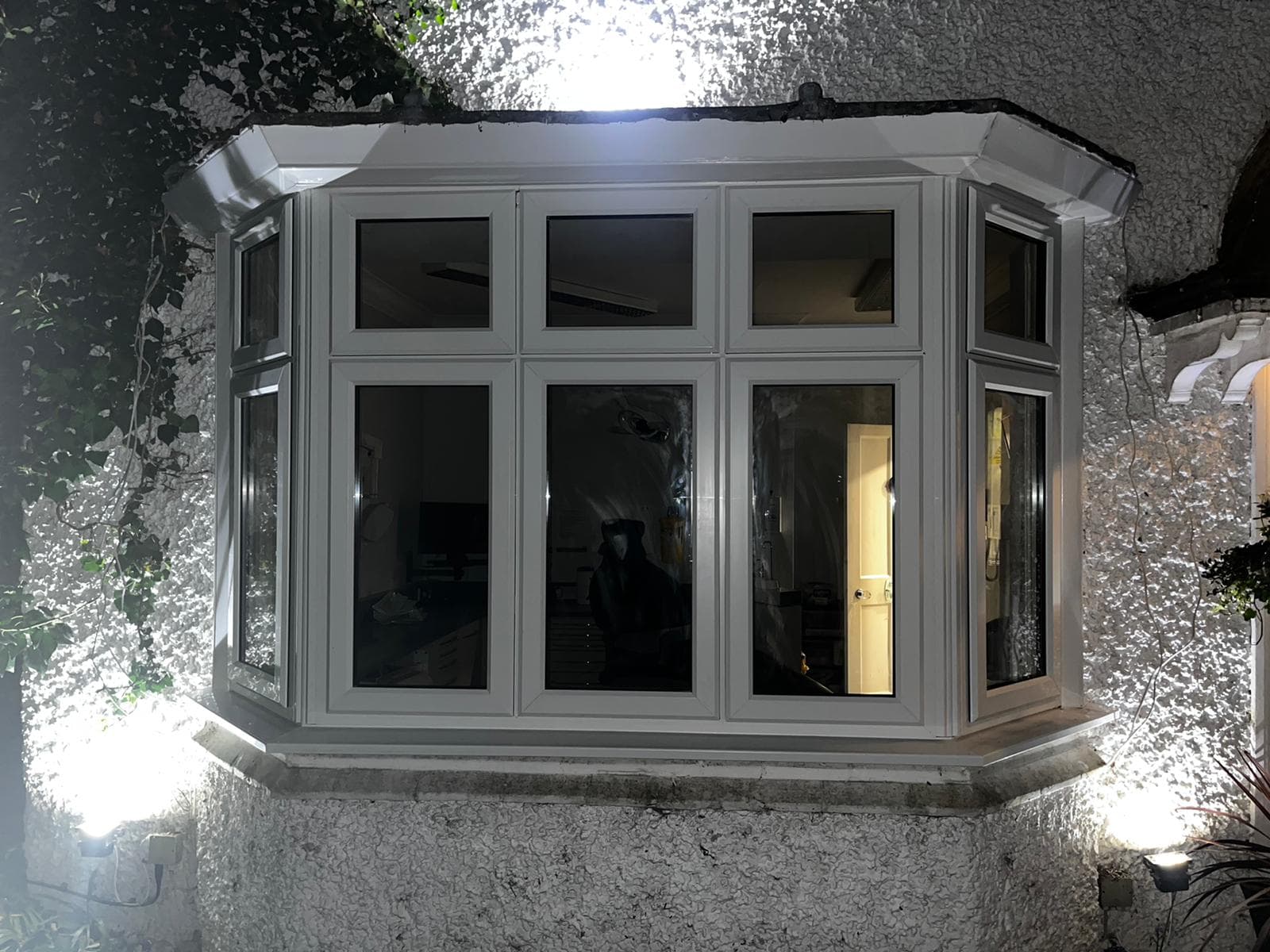
Replacement windows remove the old window completely and fit a new, modern unit in its place — typically a thermally efficient aluminium or uPVC window with double or triple glazing, warm-edge spacers and modern seals.
The simplest way to think about it: secondary glazing improves the window you have, replacement gives you a new one.
Performance: Replacement Wins on Efficiency
A modern replacement window is the stronger performer on thermal efficiency. It combines a thermally broken or insulated frame, a sealed double or triple-glazed unit, low-emissivity coatings and modern weather seals, achieving U-values that an old single-glazed window with secondary glazing cannot quite match.
Secondary glazing does improve the original window significantly — the trapped air gap reduces heat loss and draughts — but the original frame, its seals and its single glazing remain in place, so the overall result sits below a full replacement. If raw energy efficiency is the goal and you are free to replace, replacement is the better answer.
Noise: Secondary Glazing Can Be the Surprise Winner
For noise reduction, secondary glazing is genuinely excellent, and in some cases better than a standard replacement window. The reason is the air gap. Secondary glazing typically sits 100mm or more behind the original window, and that large gap between two independent panes is very effective at damping sound, especially low-frequency traffic noise.
A standard replacement double-glazed unit has a much smaller sealed gap (around 16 to 20mm), which is less effective acoustically unless you specify acoustic laminated glass. So for a home on a busy road where noise is the priority and the existing window is sound, secondary glazing is a strong option. For the detail on quieter glazing, see our guide to the best glass for noise reduction.
Listed Buildings and Conservation Areas: This Is Where Secondary Glazing Shines
This is the decisive factor for many period homes. In a listed building, and often in a conservation area, you may not be permitted to replace the original windows at all, because the original timber or steel windows are part of the building's character that planning protects.
Secondary glazing is frequently the approved solution in exactly these cases, because it is reversible and invisible from the street, it leaves the protected original window untouched, and it still delivers a real improvement in warmth and noise. Conservation officers regularly favour it for precisely these reasons.
If your property is listed or in a conservation area, always check the planning position before doing anything. Our guides on conservation-area windows and sash windows in conservation areas cover what is usually permitted, and our conservation-area planning guide explains the consents involved.
Cost
Secondary glazing is usually the lower-cost option per window, because the original window stays in place and the install is simpler. Replacement costs more because it includes removing the old window, the new unit itself and making good the opening, but it delivers a new window with a long warranty rather than an addition to an ageing one.
The honest way to weigh cost is against lifespan and outcome. Secondary glazing improves an old window that will still eventually need attention. A replacement resets the clock with a 10-year-plus guaranteed modern window. Both are individually quoted after survey, because every opening is different.
Which Should You Choose?
Choose secondary glazing if: your property is listed or in a conservation area where replacement is restricted, your existing windows are sound and worth keeping, noise reduction is your main priority, or you want a lower-cost, reversible improvement.
Choose replacement windows if: you are free to replace, you want the best thermal efficiency and lowest maintenance, your existing windows are failing or beyond economical repair, or you want a new window with a long warranty and modern security.
There is no single right answer — it depends on your property, the planning position and what you are trying to achieve. If you are unsure, especially with a period or protected home, talk it through before committing. Contact our team for honest guidance on whether your windows are best improved or replaced.
Frequently Asked Questions
Is secondary glazing as good as replacement windows?
For thermal efficiency, a modern replacement window performs better overall, because it combines an insulated frame, sealed double or triple glazing and modern seals that an old window with secondary glazing cannot fully match. For noise reduction, secondary glazing can actually be better thanks to its larger air gap. The right choice depends on whether your priority is efficiency, noise, cost or planning constraints.
Is secondary glazing allowed on listed buildings?
Secondary glazing is often the preferred solution for listed buildings and conservation areas precisely because it is reversible, invisible from the street and leaves the protected original window untouched. Full replacement is frequently restricted on listed properties. You should always confirm the position with your local conservation officer before any work, as rules vary by property and area.
Does secondary glazing reduce noise better than double glazing?
Often, yes. Secondary glazing typically sits 100mm or more behind the original window, and that large air gap is very effective at damping sound, especially traffic noise. A standard replacement double-glazed unit has a much smaller sealed gap, so it is less effective acoustically unless you specify acoustic laminated glass. For a noise-focused upgrade, secondary glazing on a sound existing window is a strong option.
Is secondary glazing cheaper than replacing windows?
Usually, yes, per window, because the original stays in place and the installation is simpler. Replacement costs more as it includes removing the old window, the new unit and making good the opening. The fair comparison weighs cost against outcome and lifespan: secondary glazing improves an ageing window, while replacement provides a new, guaranteed, modern window. Both should be individually quoted after a survey.
Can I have secondary glazing and still open my original window?
Yes. Secondary glazing units can be hinged, sliding or removable, so you can still open the original window behind for ventilation and cleaning. Fixed units offer the best seal but are usually reserved for windows that are rarely opened. The configuration is chosen to suit how you use each window, which is one of the things a survey establishes.
Need advice on your next project?
Talk it through with the team, or leave your details for a free no-obligation written quote.
FENSA registered · 10-year CPA insurance-backed guarantee · Cortizo, Schuco & Rehau approved · Origin Approved Partner