How Long Do Aluminium Windows and Doors Last?
Aluminium is one of the longest-lasting materials you can specify for windows and doors. A well-made, properly installed aluminium frame will comfortably last 40 years or more, and many last considerably longer than that. This guide gives you the honest picture: how long the frame itself lasts, what wears out sooner and needs replacing along the way, how aluminium compares with uPVC and timber, and what you can do to get the full lifespan out of your investment.
The Short Answer: 40+ Years for the Frame
The aluminium frame is the part that lasts longest, and it is the part that defines the headline number. A quality thermally broken aluminium frame has a working life of 40 years or more. That is the structural frame, the metal itself, holding its shape, strength and weather resistance for four decades and beyond.
This is why aluminium sits at the premium end of the market. You are buying a frame that outlives most uPVC alternatives and rivals well-maintained timber, without the upkeep timber demands. The systems we install, including Cortizo and Schuco aluminium, are engineered for this kind of longevity from the outset.
Why Aluminium Lasts So Long
The reason aluminium endures comes down to the material itself and how the frame is finished.
It Does Not Rust
Aluminium does not rust the way steel does. When exposed to air, its surface forms a thin, stable oxide layer that protects the metal underneath. On top of that, architectural aluminium frames are powder coated, sealing the surface against moisture entirely. There is no iron in the frame to corrode, so the structural integrity holds decade after decade in British weather.
It Does Not Warp
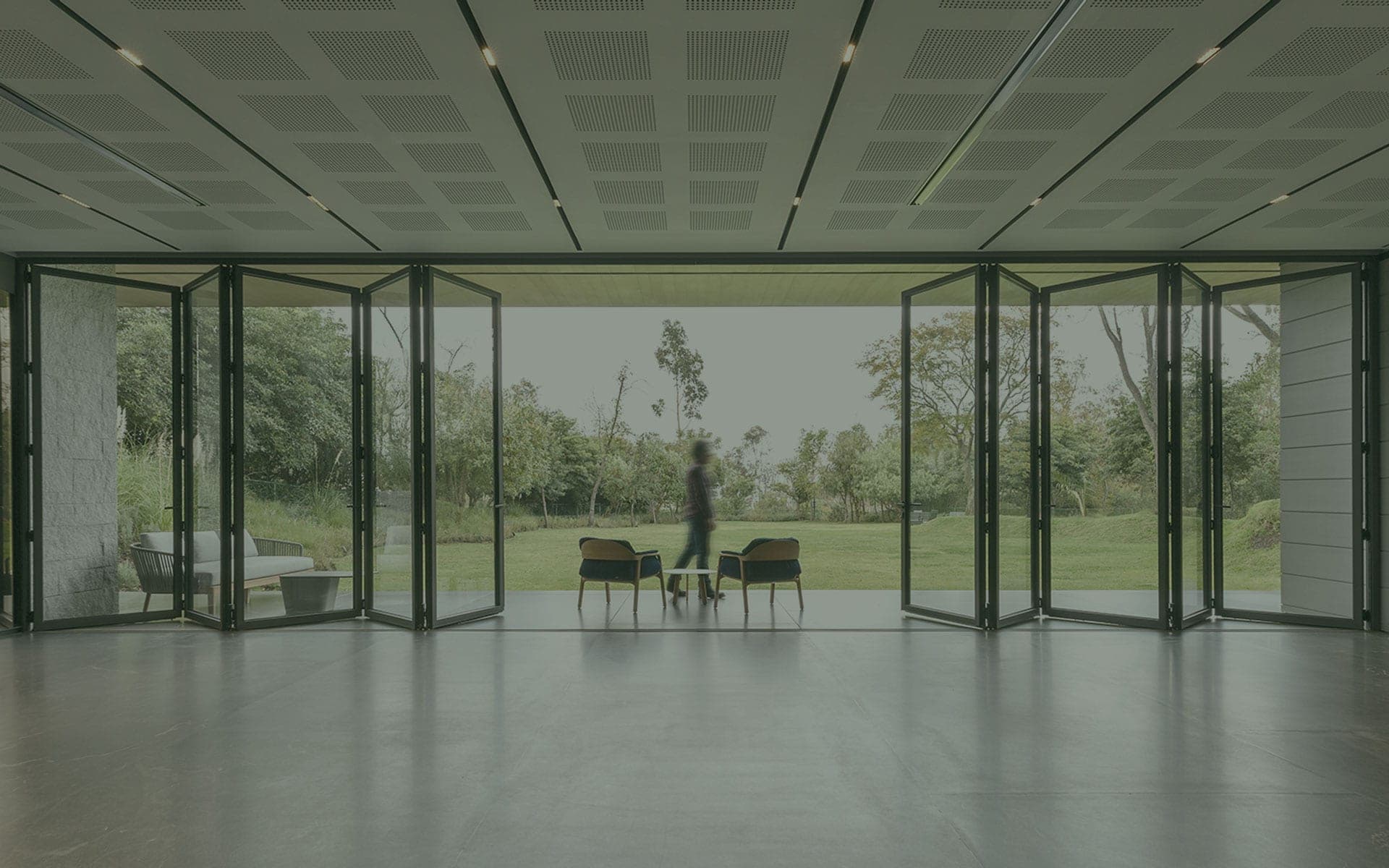
Aluminium is dimensionally stable. It does not swell in damp weather or shrink in dry heat the way some materials do, and it does not bow under the weight of large glazed panels. That stability matters most on big openings. A Cortizo Cor Vision Plus sliding door carries up to 500kg per panel on a slim 20mm interlock junction, and only a rigid, stable metal frame can hold that geometry true for the life of the product.
It Does Not Rot
Because aluminium is a metal, there is nothing in the frame for rot or insects to attack. Unlike timber, it has no organic fibre to soften, no joints to open up as moisture gets in, and no need for the regular sanding, treating and repainting that keeps a wooden window alive. The frame simply does not decay.
The 25-Year Powder-Coat Guarantee
The finish on an aluminium window is as important as the frame. A quality polyester powder coat is applied electrostatically and oven-cured to a hard, even surface, and it typically carries a 25-year guarantee against fading, cracking and flaking.
That figure is worth pausing on. It means the colour and finish are warranted to hold for a quarter of a century, with no repainting in between. A timber window of the same age would have been repainted six or seven times by then. The powder coat is what gives aluminium its low-maintenance reputation: an occasional wipe-down is the whole job.
We fit our aluminium frames thermally broken as standard, which places an insulating barrier between the inner and outer faces of the frame. If you want the detail on how that works and why it matters for warmth and condensation, see our guide to thermally broken aluminium windows.
What Wears Out Sooner (The Honest Part)
Saying the frame lasts 40+ years does not mean nothing on the window ever needs attention. Several components have shorter working lives than the frame, and replacing them is normal, expected maintenance rather than a sign the window has failed.
Sealed Glass Units: Around 20 to 25 Years
The double or triple-glazed sealed unit, the glass itself, has its own lifespan. The edge seal that holds the inert gas fill (usually argon) between the panes will eventually break down. When it does, you may see misting or condensation forming between the panes that you cannot wipe away. At that point the sealed unit is replaced, while the frame, hardware and the rest of the window stay exactly as they are. Expect roughly 20 to 25 years from a quality sealed unit, sometimes more. For why the gas fill and the spacer matter, our U-value guide explains it.
Gaskets and Weather Seals
The rubber gaskets and weather seals that keep wind and water out are consumable parts. Over many years of sun and weather they can harden and lose their springiness. Replacing a gasket is a quick, inexpensive job that restores the window's draught-proofing, and it is the kind of thing a service visit picks up.
Hardware: Hinges, Handles, Locks and Rollers
Moving parts wear with use. Friction hinges, handles, multi-point locks and the rollers on sliding doors are all mechanical and all eventually need adjustment, lubrication or replacement, particularly on doors that are opened and closed many times a day. Good hardware is robust and meets PAS 24:2022 security standards, but it is still the part you are most likely to service within the frame's lifetime. The frame outlasts the hardware fitted to it, and that is entirely normal.
How Aluminium Compares: uPVC and Timber
Putting aluminium next to the alternatives makes the longevity case clear.
Aluminium: 40+ years. The frame outlasts the building's other fittings, holds large spans, never rusts, warps or rots, and needs only cleaning. It is the longest-lasting mainstream window material.
uPVC: roughly 25 to 35 years. Modern uPVC is a strong, well-priced material and a good choice in many homes. A quality system like Rehau TOTAL70, a 70mm A+ rated frame, performs very well thermally. Over decades, though, plastic frames can be affected by UV and temperature cycling, and they are less rigid than aluminium on the largest openings, so the typical working life sits below aluminium. Our aluminium vs uPVC comparison weighs the two in full.
Timber: 30 to 60+ years, but only with upkeep. A well-maintained hardwood window can last a very long time, even outlasting aluminium in the best cases. The catch is the word "maintained". Timber needs regular sanding, treating and repainting every few years to reach that lifespan. Neglect it and rot sets in far sooner. Aluminium reaches its long life without that ongoing commitment.
For a side-by-side on the two premium aluminium systems we fit most often, see Cortizo vs Schuco.
How Maintenance Extends the Life
Aluminium is genuinely low maintenance, but a little care extends its life and keeps it performing at its best. None of this is demanding.
- Clean the frames a few times a year with warm soapy water and a soft cloth. This protects the powder coat and clears grit that could scratch it. Avoid abrasive pads and solvent cleaners.
- Keep the drainage channels clear. The small weep holes at the bottom of the frame let rainwater escape. Clearing leaves and debris from them stops water sitting where it should not.
- Lubricate moving parts on hinges, locks and sliding tracks once a year with a suitable light lubricant, so the hardware stays smooth and wears slowly.
- Wipe down sliding tracks so grit does not grind into the rollers, which matters most on large doors like the Schuco AS FD 75 bifold with its 90mm sightline.
- Have a service if something stiffens or drops. Adjusting a hinge or replacing a worn gasket early prevents strain on the rest of the window.
Do this and the window not only lasts its full term, it keeps opening, sealing and looking like new throughout.
Installation and Guarantees Matter
Longevity is not only about the material. A frame fitted badly, out of square or poorly sealed, will not deliver its potential life no matter how good the aluminium is. Correct survey, correct fitting and proper sealing are what let the 40-year frame actually reach 40 years.
Every installation we carry out is FENSA registered and backed by a 10-year CPA insurance-backed guarantee, so the install itself is covered alongside the product. Combined with the frame's own long life and the 25-year powder-coat finish, that is the full picture of why aluminium is specified across Buckinghamshire and Berkshire homes built to last. If you want to talk through the options for your property, our team is happy to advise.
Frequently Asked Questions
Do aluminium windows really last 40 years or more?
Yes, the aluminium frame itself has a working life of 40 years or more, and many last longer. Aluminium does not rust, warp or rot, and the powder-coat finish is typically guaranteed for 25 years against fading and flaking. The components fitted to the frame, such as sealed glass units, gaskets and hardware, have shorter lives and are replaced as part of normal maintenance, while the frame carries on. Correct installation is what allows the frame to reach its full lifespan.
What is the first thing to wear out on an aluminium window?
Usually the moving hardware, hinges, handles, locks and the rollers on sliding doors, because these are mechanical parts in daily use. They are serviced, adjusted or replaced over the window's life, which is routine. The next most common item is the sealed glass unit, which lasts roughly 20 to 25 years before its edge seal eventually breaks down and the glass is replaced. The frame outlasts all of these.
Why does aluminium last longer than uPVC?
Aluminium is a rigid metal that holds its shape and strength for 40 years or more, and its powder-coat finish resists UV and weathering for decades. uPVC typically lasts around 25 to 35 years, as plastic frames are softer, less rigid on large spans, and more affected by sunlight and temperature cycling over time. Both are good materials, but aluminium has the longer working life and handles bigger glazed openings without distorting.
Do aluminium windows need much maintenance to reach their full lifespan?
No, aluminium is genuinely low maintenance. There is no painting, sanding or treating as there is with timber. A few times a year you clean the frames with warm soapy water, keep the drainage weep holes clear, and once a year lubricate the moving parts and wipe down any sliding tracks. That light care keeps the powder coat protected and the hardware running smoothly, which is all it takes for the window to last its full term.
What happens when the glass mists up between the panes?
That misting means the edge seal on the sealed glass unit has broken down and the inert gas fill has been lost, which usually happens after about 20 to 25 years. The fix is to replace the sealed unit alone. The aluminium frame, the hardware and the rest of the window stay in place, so it is a targeted repair rather than a full window replacement. It is one of the reasons a long-lived frame is such good value: the glass can be renewed without touching the frame.
Need advice on your next project?
Talk it through with the team, or leave your details for a free no-obligation written quote.
FENSA registered · 10-year CPA insurance-backed guarantee · Cortizo, Schuco & Rehau approved · Origin Approved Partner