Are Bifold Doors Secure? A UK Security Guide
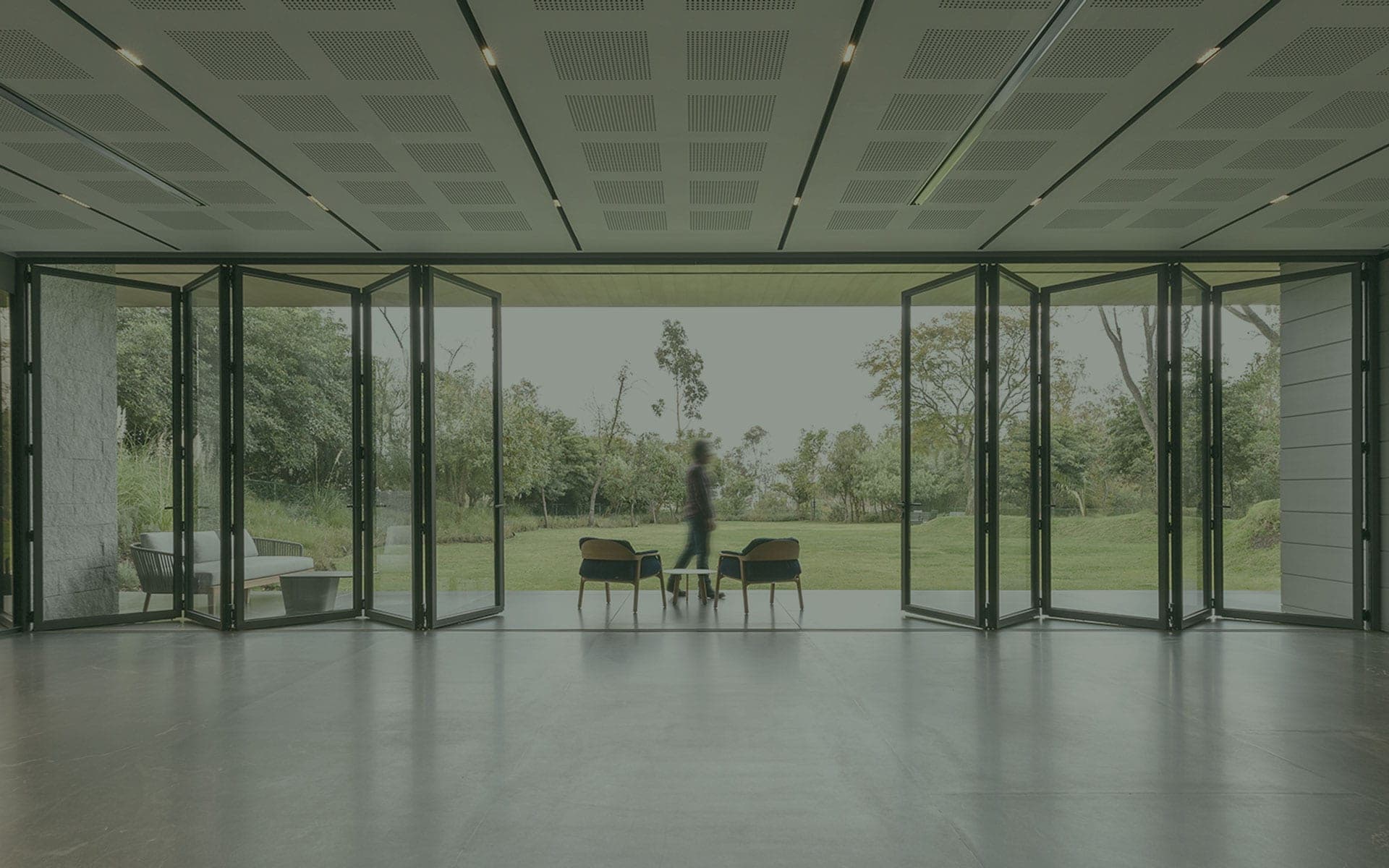
A wall of glass that folds away is one of the most striking things you can do to the back of a house, and it raises an obvious question before anyone signs off the order. If the whole rear elevation is glazed and the doors slide and fold rather than sit on a single fixed hinge, can they be forced open? It is a fair worry, and the honest answer is that a modern bifold door fitted to the right standard is one of the most secure entrances you can put on a property. The security does not come from the doors looking heavy. It comes from the locking engineering, the glass specification and the quality of the installation working together.
This guide walks through exactly what makes a bifold door safe, what the relevant British standards actually mean, and the specific points a burglar would test, so you can judge a quote on more than the colour of the frame.
Why bifold doors are more secure than they look
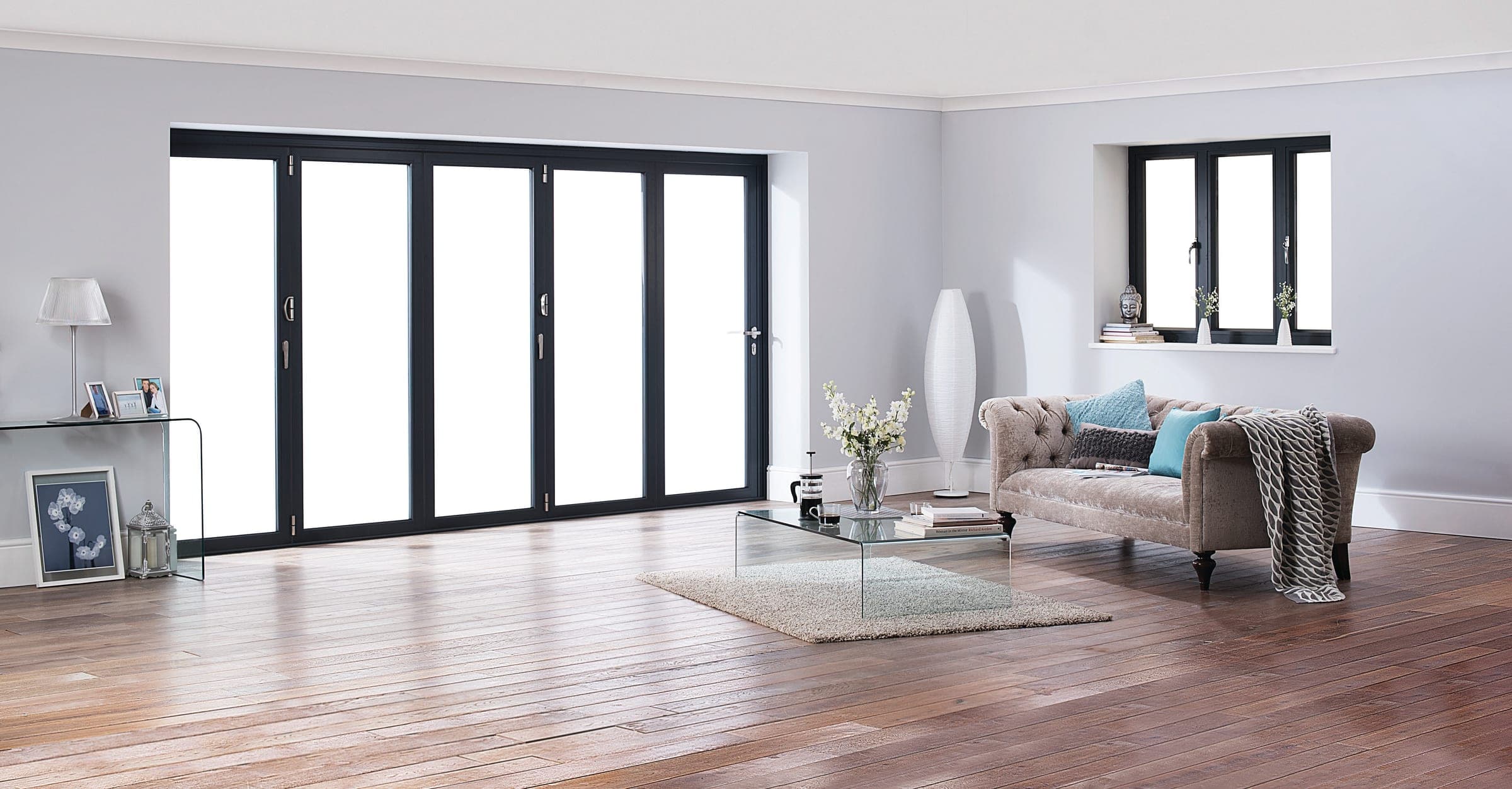
A bifold door is made of several panels that concertina back on a top-hung running track. Because the panels stack rather than swing on a single hinge, people assume there are more weak points than a standard door. In practice the opposite is true. Every leaf is locked into the frame at multiple points, the running gear is engineered to carry heavy glazed panels for decades, and the frame itself is far stronger than a timber or older uPVC equivalent.
Aluminium bifold frames are the most common premium choice for a reason. Aluminium is rigid, it does not warp or swell with the seasons, and a thermally broken aluminium frame lasts 40 or more years without the corner welds failing the way an old plastic door eventually does. That rigidity matters for security, because a frame that does not flex gives a crowbar nothing to lever against. Cortizo and Schuco both build their bifold systems in aluminium, so the structural starting point is strong before a single lock is added.
If you want the wider case for the material, our guide on thermally broken aluminium windows explained covers how the frame is built and why it stays stable.
PAS 24:2022, the standard that actually matters
The single most useful thing to ask any installer is whether the door is tested to PAS 24:2022. PAS 24 is the UK enhanced security standard for doors and windows. To pass it, a complete door set has to survive a sequence of manual attack tests where a tester uses tools to try to lever, cut and force the door open within a set time. It also has to pass mechanical loading and repeated locking cycles.
The current bifold systems we install are manufactured and tested to PAS 24 (the Cortizo Bi-Fold to PAS 24:2012, the Schuco AS FD and Origin OB ranges to PAS 24:2022); the older Schuco ASS 70 FD is rated RC2. That standard is also what Building Regulations Approved Document Q points to for new dwellings, so a PAS 24 door is what a building control officer expects to see on a new build or extension. When a manufacturer says their door is "secure" without naming a standard, that claim is doing no work. PAS 24 is the line that separates a genuinely tested product from a marketing adjective.
It is worth knowing that PAS 24 tests the whole door set, not just the lock. The cylinder, the multi-point mechanism, the hinges, the glass and the frame are assessed together, because a chain is only as strong as its weakest part.
Multi-point shootbolt locking
Open a quality bifold door and look at the edge of the lead panel. You will see a row of locking points rather than a single latch. When you lift the handle, a multi-point mechanism drives shootbolts up into the head of the frame and down into the cill, and engages further hooks or rollers along the leaf. The non-traffic panels are locked into the frame top and bottom by their own shootbolts.
This matters because forcing a single-point lock is a known weakness, while spreading the locking across the full height of every leaf removes the leverage a burglar relies on. There is no single bolt to attack and no single corner to spring. The lead door also carries a high-security cylinder, and on our installs that cylinder is anti-snap, anti-bump and anti-drill, which closes off lock snapping, the most common method of forced entry on older uPVC doors in the UK.
Glass options: laminated and toughened
Glass is where a lot of buyers stop thinking, and it is exactly where you should keep going. A bifold door is mostly glass, so the glazing specification is a real part of the security story.
Toughened safety glass is heat-treated so that it is far stronger than ordinary glass and, if it does break, it crumbles into small blunt granules rather than dangerous shards. It is the safety baseline and is required at low level by Building Regulations.
Laminated glass is the security upgrade. It bonds two panes around a tough interlayer, so even when the outer pane is struck it holds together in the frame rather than falling out. An intruder cannot simply punch through and reach the handle, because the interlayer keeps the sheet intact and turns a quick smash into a noisy, time-consuming job that most opportunists will abandon. For ground-floor bifolds and anywhere overlooked from the garden, a laminated outer pane is the specification we recommend.
Bifold doors are double or triple glazed as standard, and the sealed unit is bonded into the frame internally so the beading cannot be popped off from outside to remove the glass. That internal glazing detail is a quiet but important security feature.
Secured by Design
Beyond PAS 24 there is Secured by Design, the official UK police security initiative. Secured by Design accredited products have been independently assessed against police-preferred specifications, which go a step beyond the legal minimum. If you want the reassurance of a police-backed standard rather than just a building regulation, it is worth asking which products in a range carry it.
We have written a full explainer on what Secured by Design means for UK windows and doors if you want to understand how the scheme works and why it sits above the baseline.
Hinge and track security
The running gear is the part people forget to ask about, and it is where cheap systems cut corners. On a quality bifold the hinges are concealed or shrouded so they cannot be attacked from outside, and the rollers run on a stainless steel track that carries the weight of fully glazed panels without dropping over time. A door that sags is a door that no longer seals or locks cleanly, which is why panel weight ratings matter.
Cortizo's Cor Vision Plus Sliding system, for comparison, carries up to 400kg per panel manually (700kg motorised), which shows the kind of engineering tolerance these premium suppliers build to. On the bifold side, the Cortizo Bi-fold Plus Door uses a reduced 110mm central junction for a slimmer sightline while keeping the locking and running gear to the same standard. Schuco's AS FD 75 and the high-insulation AS FD 90.HI are built the same way, with concealed gearing and multi-point locking as the rule rather than an add-on. Whichever way you go, the hinges and track are engineered as part of the secure door set, not bolted on afterwards.
If you are weighing the two German and Spanish systems against each other, our Cortizo vs Schuco comparison breaks down where each one leads, and our roundup of the best aluminium bifold door brands in the UK puts them in context against the wider market.
Why the installation is as important as the door
Here is the part that separates a secure door from a beautiful one that lets you down. The most over-engineered bifold in the world is only as strong as the frame it is fixed into and the cill it sits on. If a door is fitted out of square, the shootbolts will not seat fully into the keeps, the panels will not pull up tight, and the whole locking system is undermined before the keys are even handed over. Poor packing, a flexing cill or fixings that miss the structural opening all create the gap a burglar is looking for.
This is why we register every installation with FENSA and back it with a 10-year CPA insurance-backed guarantee. FENSA registration confirms the work was self-certified to Building Regulations, including the thermal and security requirements, and the insurance-backed guarantee means the workmanship is covered even if the company were no longer trading.
A correctly surveyed, square, properly fixed bifold is what turns the lab-tested PAS 24 rating into real-world security in your house.
Bringing it together
A premium bifold door is safe because four things line up at once. The frame is rigid thermally broken aluminium that resists levering. The locking is a multi-point shootbolt system with an anti-snap cylinder tested as a complete set to PAS 24. The glass is toughened as standard and can be upgraded to laminated so it holds together under attack. And the installation is square, properly fixed and FENSA certified so every lock seats the way it was designed to.
If you would like to see the range and specification in detail, our aluminium bifold doors page sets out the systems and glazing options, and you can compare the Cortizo and Schuco ranges directly. For planning queries on a new opening, our guide to planning permission for bifold doors covers when you do and do not need it. We install across Buckinghamshire, Berkshire and the surrounding home counties.
Frequently Asked Questions
Can a bifold door be forced open from the stacked side?
No part of a quality bifold is left unlocked when the doors are shut. The non-traffic panels are held into the frame head and cill by their own shootbolts, so there is no loose leaf to lever from the stacked side. When the door is locked, every panel is pinned top and bottom and the lead panel is secured by the multi-point mechanism and anti-snap cylinder.
Is laminated glass worth it for bifold doors at the back of the house?
For any ground-floor bifold, and especially one overlooked from the garden, laminated glass is the upgrade we recommend. The bonded interlayer keeps the pane in the frame even after the outer skin is struck, so an intruder cannot punch through and reach the handle. It turns a quick break-in into a slow, loud effort that most opportunists give up on.
Do bifold doors meet Building Regulations for security?
Yes. The current bifold systems we install are tested to PAS 24 (the Cortizo Bi-Fold to the 2012 edition), which is the enhanced security standard that Approved Document Q references for new dwellings and extensions. Building control officers expect to see a PAS 24 door set, and the installation is registered with FENSA to confirm it was certified to the regulations.
How do Cortizo and Schuco bifolds compare on security?
Both are aluminium systems engineered to the same security principles, with concealed running gear, multi-point shootbolt locking and PAS 24 testing across the door set. Cortizo offers the Bi-Fold and the slimmer Bi-fold Plus Door with its 110mm central junction, while Schuco offers the AS FD 75 and the high-insulation AS FD 90.HI. The security baseline is comparable, so the choice usually comes down to sightlines, thermal performance and finish.
Are aluminium bifolds more secure than uPVC alternatives?
Aluminium frames are more rigid than uPVC, which gives a crowbar far less to flex against, and they hold their shape for 40 or more years without the corner welds weakening. A well-made uPVC door such as Rehau TOTAL70 is still a strong, secure product, but for a large glazed bifold span the structural stiffness of aluminium is the reason it is the premium choice for security and longevity.
Need advice on your next project?
Talk it through with the team, or leave your details for a free no-obligation written quote.
FENSA registered · 10-year CPA insurance-backed guarantee · Cortizo, Schuco & Rehau approved · Origin Approved Partner