Flush Casement Windows UK: Cost, Suitability & 2026 Guide
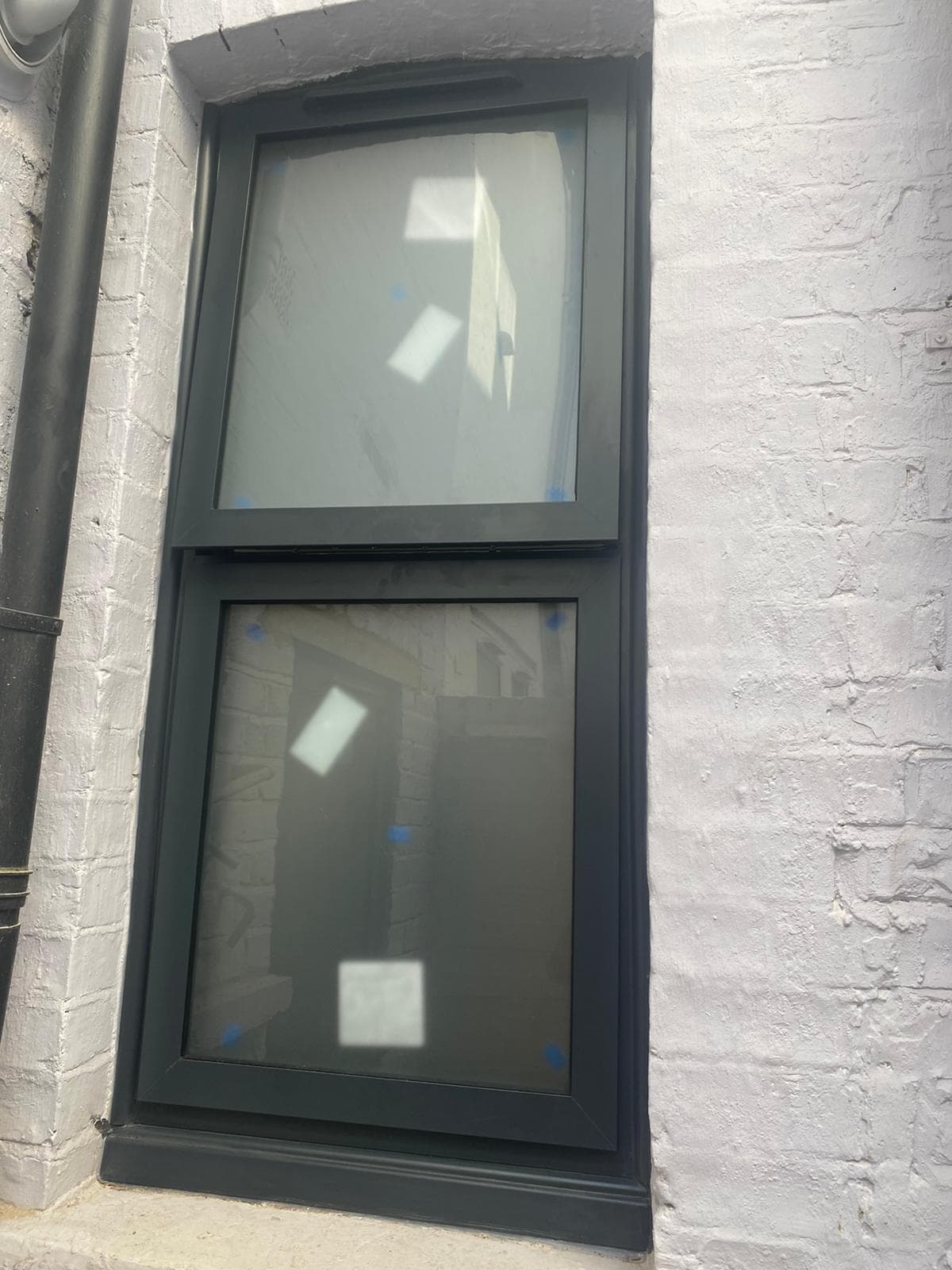
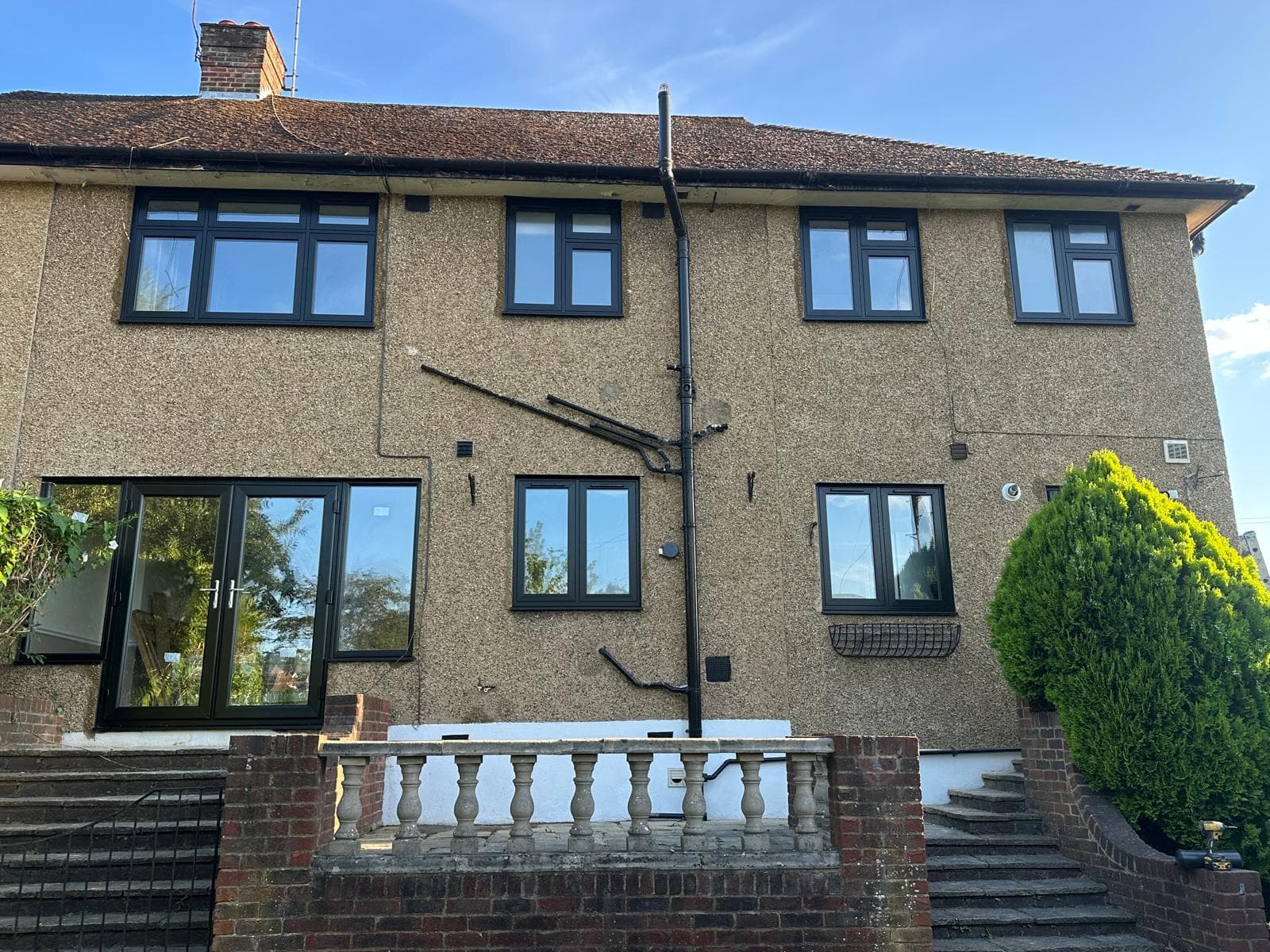
Flush casement windows have become one of the most requested window styles in the UK over the past five years. For homeowners with period properties, traditional-style new builds, or homes in conservation areas, the flush profile delivers something a standard casement cannot: a completely flat, frameless appearance that mirrors the look of original timber windows. This guide explains what flush casements are (see our aluminium flush sash and flush casement windows), how they differ from standard windows, what they cost in 2026, and whether they are the right choice for your home.
What is a Flush Casement Window?
A flush casement window is one where the opening sash (the part that opens) sits perfectly level with the outer face of the fixed frame. When closed, the entire window face is flat — there is no stepped reveal or protruding sash visible from the outside.
This is different from a standard casement window, where the opening sash is mounted on top of the outer frame. On a standard casement, the sash projects outward slightly, creating a visible shadow line and stepped profile. For most modern homes this is barely noticeable, but on period properties it looks noticeably different from the original timber windows the house was designed with.
The flush profile replicates the appearance of traditional Georgian, Victorian, and Edwardian timber windows, which were always flush by design. This makes them particularly sought-after for:
- Victorian and Edwardian terraces and semis
- 1920s–1930s bay-fronted homes
- Cottage-style rural properties
- Conservation areas and Article 4 zones
- Properties where planning requires sympathetic fenestration
Flush Casement vs Standard Casement: The Key Differences
The core difference is the sash position relative to the outer frame. Everything else — glass, hardware, energy ratings, security certification — can be identical. Here is how they compare on the factors that matter:
Appearance
A flush casement has a flat, continuous face with slim sight lines. There is no projection or shadow line from the sash when the window is closed. From a distance, a flush uPVC or aluminium casement can be almost indistinguishable from original timber windows — especially when specified in heritage colours like Chartwell green, cream, or black.
A standard casement has a slightly raised sash with a more visible frame border. This is perfectly fine for modern or contemporary properties but can look incongruous on older homes.
Thermal Performance
Both flush and standard casements achieve the same U-values. The profile style does not affect the thermal break design or the glazing specification. In 2026, both types comfortably achieve the minimum Building Regulations requirement of 1.4 W/m²K, with premium systems reaching 1.0–1.2 W/m²K or better with triple glazing.
Security
Both flush and standard casements are available with PAS 24 certification and full multi-point locking. The flush profile does not compromise the security performance of the window. Our aluminium casement windows and uPVC casement windows are PAS 24 certified as standard, whether flush or standard profile.
Manufacturing Complexity
Flush casements are mechanically more complex to manufacture. The sash and frame must be machined to extremely tight tolerances to achieve the flat, flush fit without gaps or wind noise. This is the primary reason flush casements cost more than standard equivalents.
Cost
Flush casements typically cost more than an equivalent standard casement in the same material, size and specification. More on pricing below.
Materials: uPVC, Aluminium or Timber?
Flush casement windows are available in all three main frame materials. The choice depends on your budget, property type and aesthetic priorities.
uPVC Flush Casement Windows
uPVC is the most accessible entry point into flush casement glazing. Modern uPVC flush casements from manufacturers like Rehau use purpose-designed profiles that achieve the flat sash appearance without the manufacturing cost of aluminium.
uPVC flush casements are available in a wide range of foiled finishes — cream, Chartwell green, anthracite grey, black, rosewood — and many woodgrain textures designed specifically for period properties. For Victorian and Edwardian terraces, a cream or Chartwell green uPVC flush casement can look impressively authentic from the street.
The downsides of uPVC flush casements are the same as uPVC generally: frame widths are slightly wider than aluminium (70–85mm vs 50–65mm), the finish may fade on south-facing elevations over 20–25 years, and the lifespan is shorter (35+ years vs 40+ for aluminium).
Aluminium Flush Casement Windows
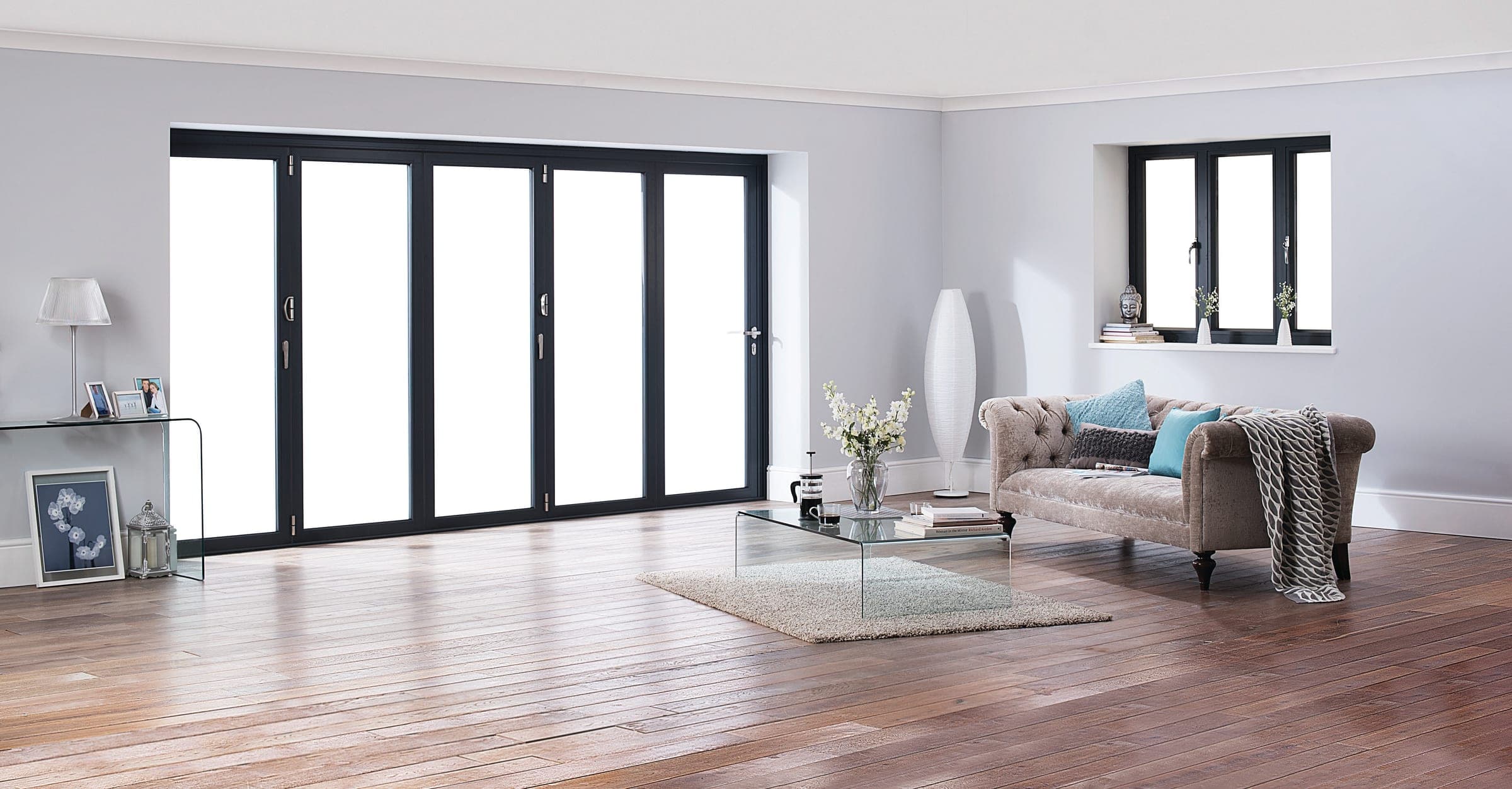
Aluminium flush casements deliver the most refined version of the flush profile. The frames are inherently slimmer — typically 55–65mm — and the powder-coated finish is UV-stable with no risk of fading, peeling or warping over decades.
Cortizo and other premium aluminium manufacturers produce flush casement systems with slim, uniform sightlines (Cortizo's Cor 70 Hidden Sash, for example, has a 66mm visible section), which closely replicates the proportions of original timber windows. Aluminium flush casements are increasingly popular for architectural extensions, high-specification renovations, and properties where long-term visual consistency matters.
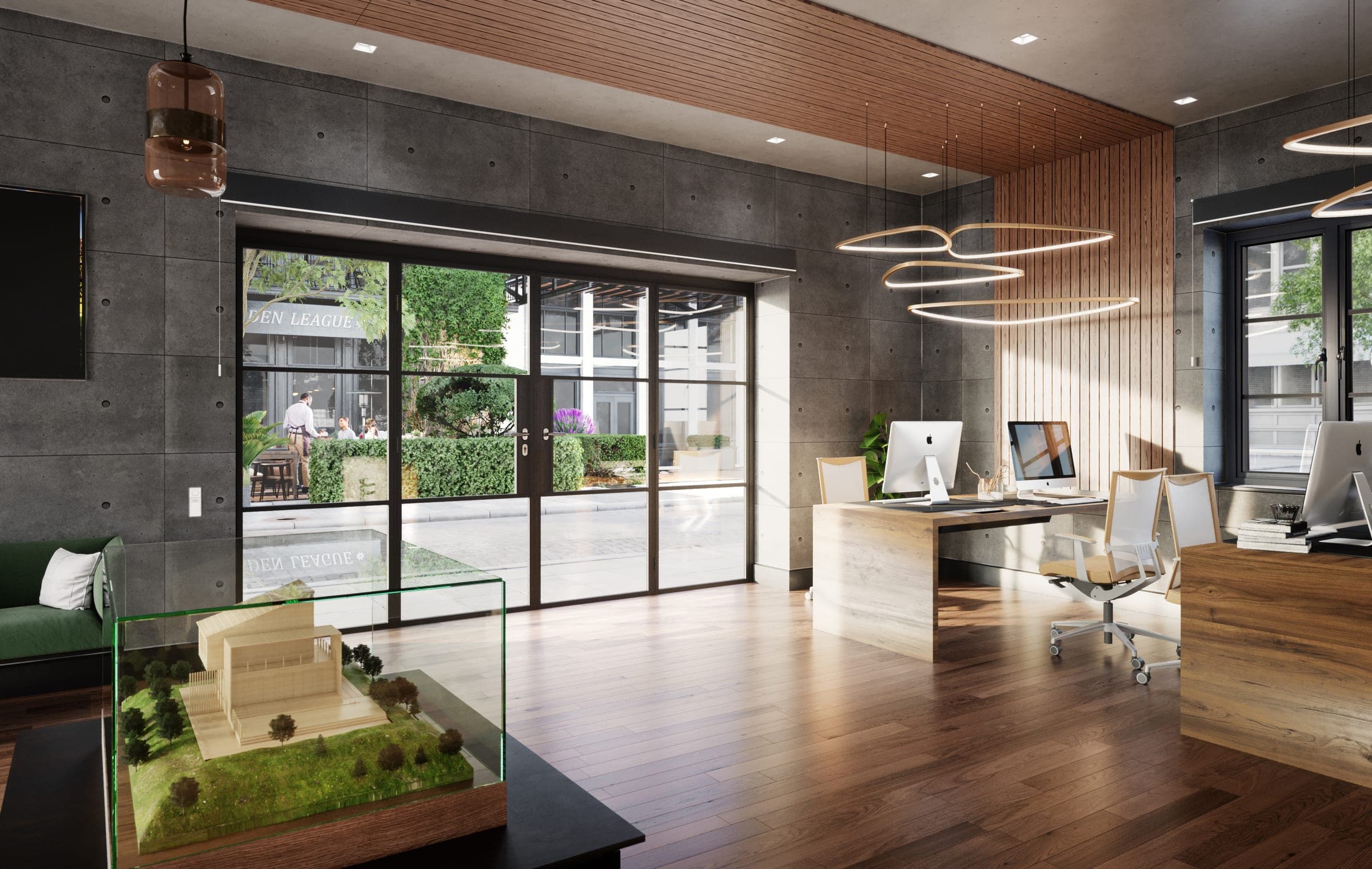
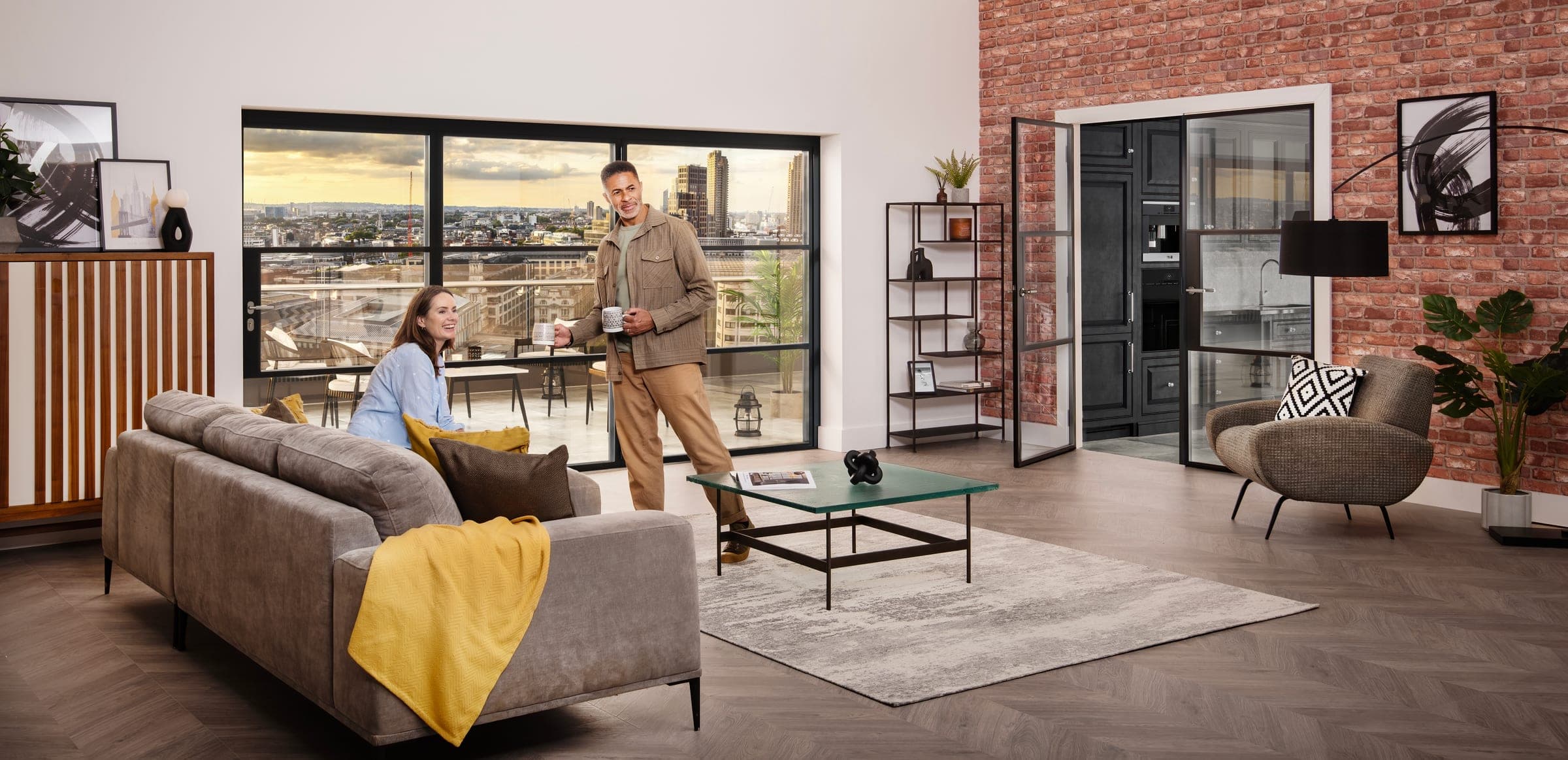
In anthracite grey or black, an aluminium flush casement window has a strong aesthetic relationship with the steel Crittall-style windows popular in 1920s–1930s houses — without the maintenance burden of actual steel.
Timber Flush Casement Windows
Timber remains the most authentic flush casement option and is sometimes required by planners on listed buildings. It is also the most expensive and the most maintenance-intensive — timber windows typically need repainting every 5–8 years and have a practical lifespan of 30–50 years depending on the species and paint system used.
For most homeowners, modern aluminium or uPVC flush casements offer comparable aesthetics at significantly lower lifetime cost.
Flush Casement Windows Cost: 2026 UK Pricing
Prices vary by material, size, specification and installer. The pattern is consistent: the material sets the starting point, and the larger the window and the higher the glass spec, the higher the price.
uPVC Flush Casement Windows uPVC is the most accessible way into flush casements, and a small window sits well below a large one. For current installed ranges, see our [uPVC windows cost guide](/blog/upvc-windows-cost-uk-2026).
Aluminium Flush Casement Windows Aluminium flush casements cost more than uPVC at every size, reflecting the slimmer profiles, powder-coated finish and longer lifespan. For current installed ranges, see our [aluminium windows cost guide](/blog/how-much-do-aluminium-windows-cost-uk).
Timber Flush Casement Windows Timber sits at the upper end of the market, above both uPVC and aluminium for the same size, and its pricing varies significantly by species, joinery source and finish.
Full-House Cost Estimates
For a typical three-bedroom semi-detached home with 8–10 windows, aluminium flush casements cost more than uPVC, and choosing flush over standard casements adds a premium to the quote for the same house in either material. Our new windows cost guide covers whole-house budgets, and an itemised written quote gives you the figure for your own home.
Flush Casement Windows and Conservation Areas
One of the most common reasons homeowners choose flush casements is to satisfy planning requirements or conservation area guidelines. Here is how this works in practice.
Do You Need Planning Permission?
In most cases, replacing windows is permitted development — you do not need planning permission, even in a conservation area, as long as you are replacing like-for-like (similar size, position and opening style). However, there are important exceptions:
- Listed buildings — any replacement window requires listed building consent, and planners typically require a flush profile in timber or, increasingly, slim-profile aluminium that matches the original proportions
- Article 4 directions — some conservation areas have Article 4 directions that remove permitted development rights, requiring permission for any external alteration including window replacement
- Flats in conservation areas — replacement windows in flats often require permission even in standard conservation areas
If you are in Buckinghamshire, Berkshire or another area with extensive conservation designations, check with your local planning authority before ordering. Vitrum Solutions can advise on this as part of your free quotation.
What Do Planners Prefer?
Where planners have discretion, they typically prefer flush casements over standard ones for period properties because flush profiles more closely match the original window design. This means flush casements are more likely to be approved in sensitive locations, and less likely to trigger objections from conservation officers.
Are Flush Casement Windows Worth the Premium?
For the right property, yes — the premium is usually justified by a combination of aesthetics, planning compliance and long-term property presentation.
Flush casements are worth it if: - Your home is Victorian, Edwardian, or pre-war in style - You are in a conservation area or adjacent to one - Your existing windows are already flush and you want to maintain visual consistency - You value kerb appeal and period authenticity - You are planning to sell within 10 years and want the property to look its best
Standard casements are fine if: - Your property is 1980s or newer - The existing windows are already standard casements and the house looks good with them - Budget is a priority and aesthetics are secondary - You are in a location where window style is not subject to any planning considerations
The hybrid approach: Many of our customers specify flush casements on the front elevation (where street-facing aesthetics matter most) and standard casements on the rear and side elevations where they are rarely seen. This approach captures the visual benefit of flush profiles at a lower overall cost.
Frequently Asked Questions
What is the difference between a flush casement and a standard casement window?
A standard casement window has an opening sash that sits on top of the outer frame, creating a slightly raised, stepped appearance on the exterior. A flush casement window has the sash machined to sit level with the outer frame, creating a completely flat surface when closed. The difference is primarily aesthetic — thermal performance, security and lifespan are comparable between the two styles when specified to the same standard.
Are flush casement windows suitable for conservation areas?
Yes. Flush casements are generally preferred by planners and conservation officers for period properties. They replicate the appearance of original timber windows more closely than standard casements. In many conservation areas, flush casements can be installed under permitted development (no planning permission required) for like-for-like replacements, though listed buildings always require consent.
How much more do flush casement windows cost than standard casements?
Flush casements typically cost more than equivalent standard casements in the same material and size. For a full house (8–10 windows), that premium is larger in aluminium than in uPVC. The additional cost reflects the tighter manufacturing tolerances required to achieve the flush sash fit. For the exact figure on your home, request an itemised written quote.
Can you get aluminium flush casement windows?
Yes. Aluminium flush casements are available from several premium manufacturers and offer slimmer sightlines than uPVC (the Cortizo Cor 70 Hidden Sash we fit has a 66mm visible section) in any RAL colour. They are the preferred choice for architectural projects and for homeowners who want the flush aesthetic with the maximum glass area and longest lifespan. Our aluminium flush casements are powder-coated and available in over 200 standard RAL colours.
Do flush casement windows affect energy efficiency?
No. The sash profile — flush or standard — does not affect the U-value or energy rating of the window. Both types use the same double or triple glazing units, and thermal performance is determined by the glazing specification and the quality of the thermal break in the frame, not by whether the sash is flush or stepped. Modern flush casements from reputable manufacturers achieve U-values of 1.2–1.4 W/m²K as standard, meeting and exceeding current Building Regulations requirements.
How long do flush casement windows last?
This depends on the frame material. uPVC flush casements typically last 35+ years before degradation becomes noticeable. Aluminium flush casements can last 40+ years with no cosmetic deterioration, thanks to the UV-stable powder coating. Timber flush casements have the longest potential lifespan but require regular maintenance to achieve it.
Need advice on your next project?
Talk it through with the team, or leave your details for a free no-obligation written quote.
FENSA registered · 10-year CPA insurance-backed guarantee · Cortizo, Schuco & Rehau approved · Origin Approved Partner