Rehau Rio vs TOTAL70 Windows: Which uPVC Casement Should You Choose?
Rehau makes two casement window systems we fabricate in-house, and homeowners regularly ask which one is right for their home. The Rio is the flush casement; TOTAL70 is the standard stepped casement. Both are built on the same modern Rehau profile with the same core performance, so the choice comes down to the look you want and the property you are fitting. This guide sets the two side by side.
The Core Difference: Flush vs Stepped
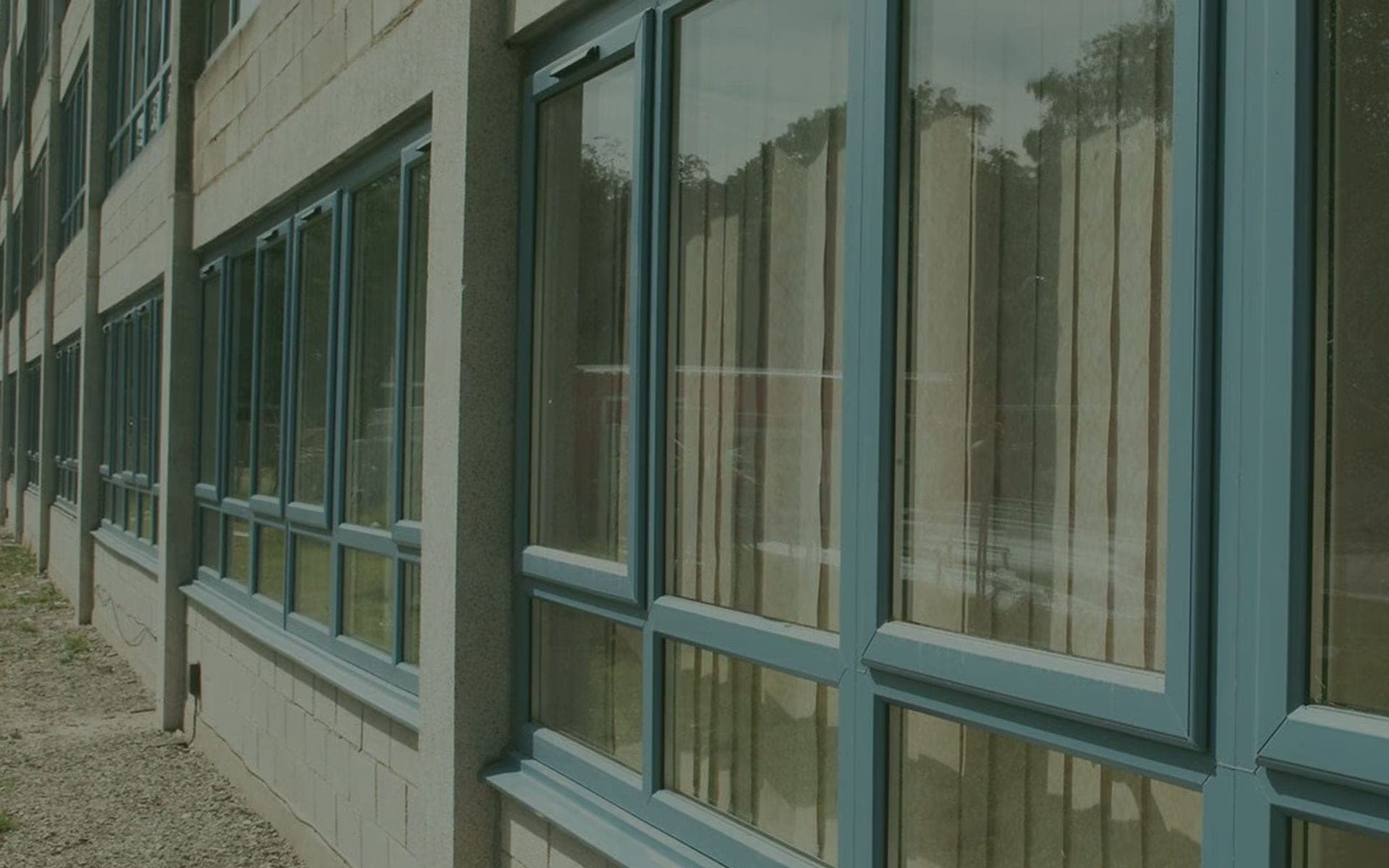
The visible difference is how the opening sash sits against the frame. On TOTAL70 the sash sits slightly proud of the outer frame, giving the familiar stepped, sculptured profile most uPVC casements have carried for years. On Rio the sash closes flush into the frame so the two surfaces sit level, giving a clean, flat face across the whole window. That flush line is the look timber casements had before uPVC, which is why Rio suits period and heritage-adjacent homes where a flat, traditional face matters.
Neither is better in the abstract. The stepped TOTAL70 reads as a clean modern casement and is the sensible default for most estates and post-war homes; the flush Rio reads as more traditional and more considered, and earns its place on cottages, conservation-adjacent streets and any home where the flat sightline lifts the elevation.
Sightlines and Glass Area
Both systems use slim Rehau profile that keeps frame width down and glass area high. The flush Rio construction gives a particularly uncluttered face because there is no stepped shadow line breaking up the window, which makes a run of windows read as one calm elevation. TOTAL70 keeps generous glass too, with the stepped sash adding a little visual depth some homeowners prefer. On both, the exact sightline depends on the sash configuration agreed at survey.
Thermal Performance and Efficiency
This is where the two are effectively matched. Both Rio and TOTAL70 are built on multi-chamber Rehau profile with warm-edge glazing as standard, and both achieve A-rated energy performance comfortably within current Building Regulations for replacement windows. If your priority is a warm, efficient, low-maintenance window, either system delivers it. The choice is an aesthetic one, driven by the flush or stepped look rather than by performance.
Security and Weather Performance
Both systems carry PAS 24 security with multi-point locking and toughened or laminated safety glass specified to suit the opening. Both are weather-tested for UK exposure and seal well against wind-driven rain, which matters on exposed elevations. As with all our installations, the hardware and glazing spec is confirmed at survey against the room and the aspect rather than sold as a fixed package.
Which Home Suits Which System?
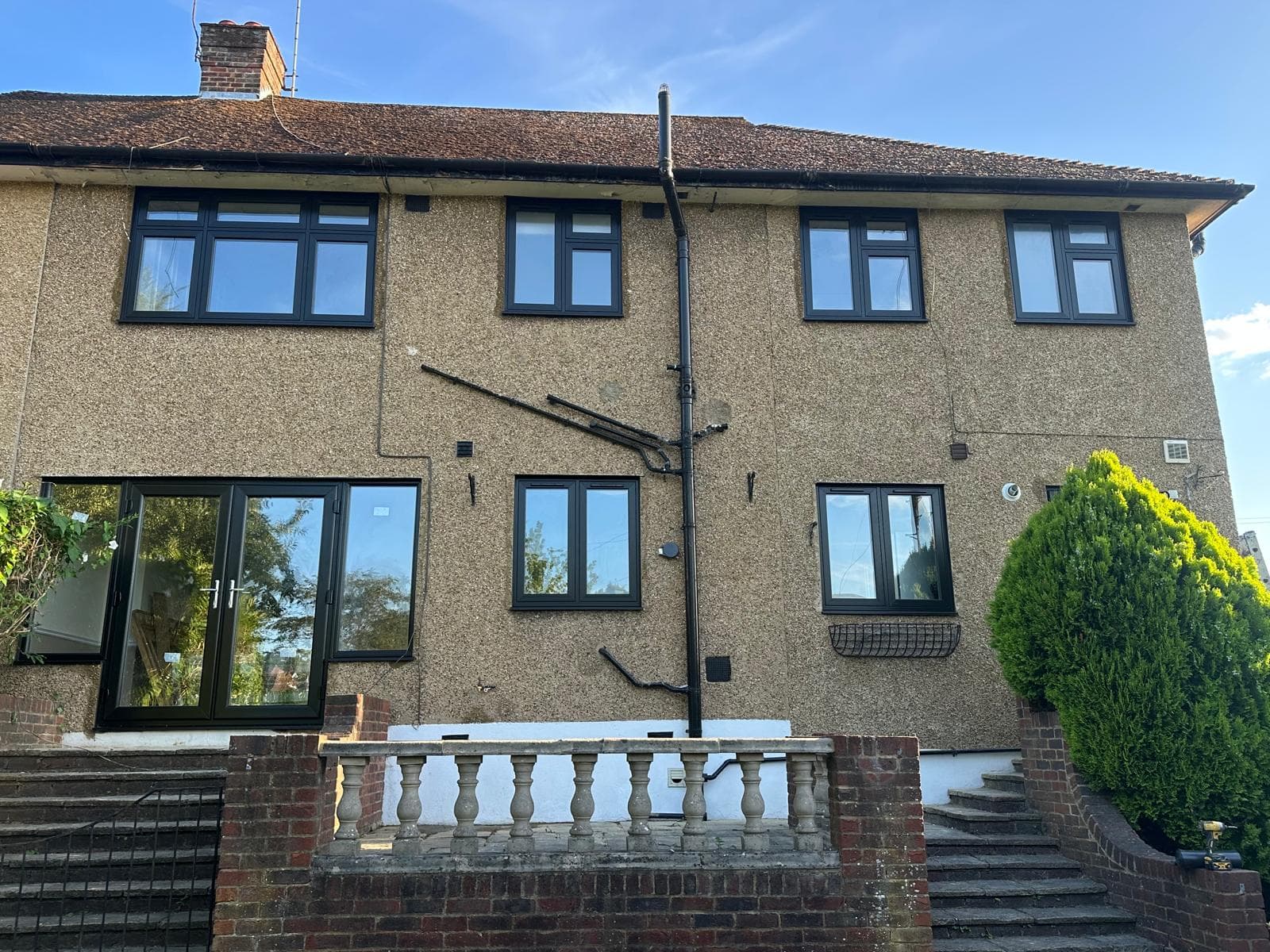
Choose Rio if you want the flush, flat-faced look: period properties, cottages, homes on traditional streets, or any elevation where a clean sightline is the point. Choose TOTAL70 if you want a proven modern casement at its most straightforward: most semis, estates and newer homes where the stepped profile is entirely at home and there is no heritage look to match. If part of the house wants flush and part does not, the two can be specified together so the front elevation gets Rio and less visible elevations use TOTAL70.
Fabricated and Fitted by Vitrum Solutions
Vitrum Solutions cuts, machines and assembles the Rehau range into finished windows at our Uxbridge workshop, then fits them with our own team. Every installation is FENSA registered and carries a 10-year CPA insurance-backed guarantee. See the Rio system detail, the TOTAL70 system detail, the wider Rehau uPVC range, or request a free survey. For the standard-versus-Edge decision within the TOTAL70 family, our TOTAL70 vs TOTAL70 Edge guide covers that separately.
Frequently Asked Questions
What is the difference between Rehau Rio and TOTAL70?
Rio is a flush casement, where the opening sash closes level with the outer frame for a flat, traditional face. TOTAL70 is a standard casement, where the sash sits slightly proud of the frame for a stepped, sculptured profile. Both use the same modern Rehau profile and deliver the same core thermal and security performance, so the difference is mainly the look.
Is the Rehau Rio flush window better than TOTAL70?
Neither is better outright. Rio suits period and traditional homes where a flush, flat sightline matters, while TOTAL70 suits modern and post-war homes where the stepped casement is entirely appropriate. Because both share the same performance, the right choice is the one that fits your property's style.
Are Rehau Rio and TOTAL70 both A-rated?
Yes. Both systems are built on multi-chamber Rehau profile with warm-edge glazing and achieve A-rated energy performance within current Building Regulations for replacement windows. The exact rating on your job depends on the glass specification agreed at survey.
Can I mix Rio and TOTAL70 on the same house?
Yes. Many homeowners specify flush Rio on the front elevation where the look counts most and use TOTAL70 on side and rear elevations to balance cost. Both are Rehau systems we fabricate in-house, so mixing them across one property is straightforward and the finish stays consistent.
Who fabricates and installs Rehau windows in West London?
Vitrum Solutions fabricates the Rehau range in-house at our Uxbridge workshop and installs across West London and the surrounding counties with our own team. Every installation is FENSA registered with a 10-year CPA insurance-backed guarantee.
Need advice on your next project?
Talk it through with the team, or leave your details for a free no-obligation written quote.
FENSA registered · 10-year CPA insurance-backed guarantee · Cortizo, Schuco & Rehau approved · Origin Approved Partner