Triple vs Double Glazing UK: Is Triple Worth the Cost?
Triple glazing is one of the most talked-about upgrades in the UK window market, but the advice homeowners receive is often contradictory. Some installers push triple glazing as essential; others dismiss it as an unnecessary expense. The truth sits somewhere in between — and it depends entirely on your property, your priorities and where you live.
This guide provides an honest, data-driven comparison of triple glazing versus double glazing in UK conditions, covering thermal performance, noise reduction, cost and the situations where triple glazing genuinely makes sense.
Understanding the Basics
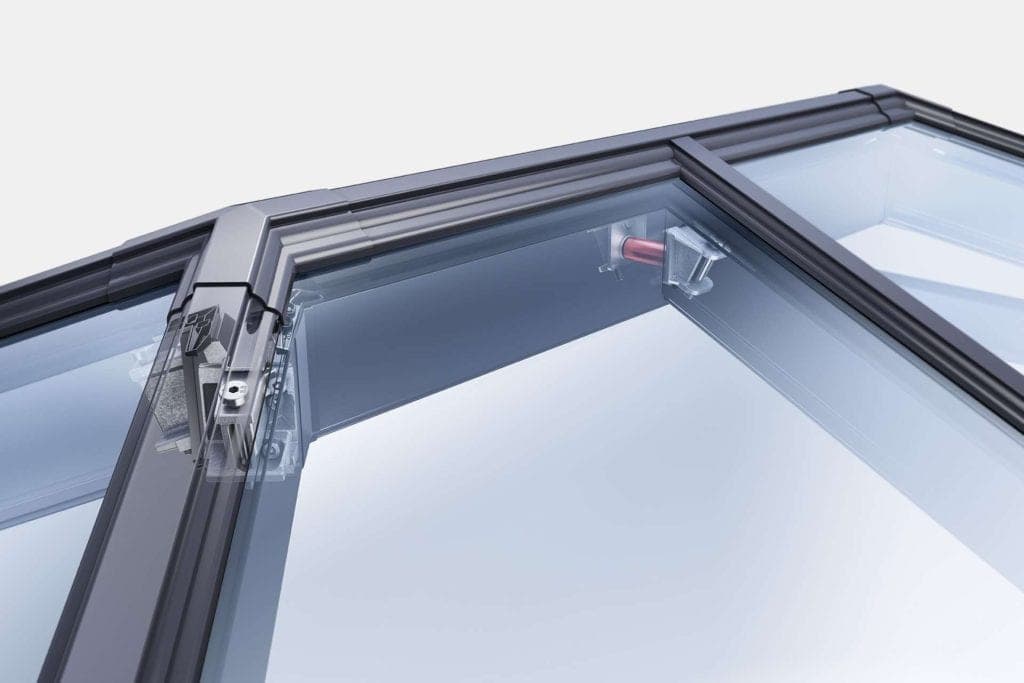
Double Glazing A double-glazed unit consists of two panes of glass separated by a cavity — typically 16-20mm — filled with argon or krypton gas. The inner pane has a low-emissivity (low-E) coating that reflects heat back into the room. A warm-edge spacer bar separates the panes and reduces heat transfer at the edge of the unit.
A modern double-glazed window typically achieves a whole-window U-value of approximately 1.2-1.4 W/m2K.
Triple Glazing Triple glazing adds a third pane of glass and a second gas-filled cavity. Both inner surfaces typically have low-E coatings, and the additional air gap provides a further layer of insulation. The result is a whole-window U-value of approximately **0.8-1.0 W/m2K**.
The difference of 0.2-0.6 W/m2K might not sound dramatic, but in thermal engineering terms it represents a 30-50% reduction in heat loss through the glass.
Thermal Performance: The Numbers
The real-world energy saving from upgrading double to triple glazing depends on your home's total heat loss profile. Windows typically account for 10-20% of a home's total heat loss. Reducing window heat loss by 30-50% therefore reduces total heat loss by approximately 3-10%.
For a typical three-bedroom semi-detached home:
- Annual saving from double to triple glazing: small, because the windows are only one part of the home's total heat loss
- Annual saving from single to triple glazing: substantially larger, because single glazing is a far worse starting point
The honest assessment is that the energy saving alone rarely justifies the additional cost of triple glazing on purely financial grounds. The payback period for the triple glazing upgrade (not the windows themselves, just the extra cost of triple over double) is typically 25-40 years based on energy savings alone.
Where Triple Glazing Makes Genuine Sense
Despite the modest energy savings, there are several scenarios where triple glazing is strongly recommended:
North-Facing Rooms Windows that receive little or no direct sunlight lose more heat than they gain from solar energy. Triple glazing makes the biggest thermal difference on north-facing elevations, where it can noticeably improve room temperature and comfort.
Exposed and Elevated Positions Homes in exposed locations — hilltops, coastal areas, properties above 200m elevation — experience higher wind speeds that increase heat loss through glazing. Triple glazing provides a meaningful comfort improvement in these conditions.
New Builds and Self-Builds The Future Homes Standard effectively requires triple glazing for new homes to meet the targeted whole-building U-values. If you are building from scratch, triple glazing is the obvious choice and is increasingly specified as standard by architects.
Extensions with Large Glazed Areas Modern extensions often feature extensive glazing — [sliding doors](/aluminium/sliding-doors), [bifold doors](/aluminium/bifold-doors) and [roof lanterns](/korniche). When glass accounts for a large proportion of the room's thermal envelope, the performance difference between double and triple is amplified.
Noise Reduction Triple glazing provides measurably better sound insulation than double glazing. A standard double-glazed unit reduces external noise by approximately **29-32 dB**. Triple glazing typically achieves **35-40 dB** reduction. For homes near busy roads, flight paths or railways, this difference is immediately noticeable and often the primary reason homeowners choose triple.
Where Triple Glazing Is Unnecessary
South-Facing Elevations South-facing windows receive significant solar heat gain during the day, which offsets heat loss. Triple glazing can actually reduce beneficial solar gain by 10-15% due to the additional glass pane, making the net thermal benefit minimal on south-facing walls. Standard double glazing often performs equally well here when the solar contribution is factored in.
Like-for-Like Replacements in Well-Insulated Homes If your home already has cavity wall insulation, loft insulation and reasonably modern double glazing, the marginal improvement from triple glazing is small. Your money would be better spent addressing other areas of heat loss — such as draughty loft hatches or un-insulated solid walls.
Budget-Constrained Projects If triple glazing means compromising on frame quality, installation standard or covering fewer windows, you are better off fitting high-quality double glazing throughout. A premium [Cortizo](/cortizo) or [Schuco](/schuco) double-glazed window will outperform a budget triple-glazed system every time.
Cost Comparison
Triple glazing always costs more than the equivalent double-glazed unit, and the uplift grows with the amount of glass and the frame material:
Per Window (additional cost over double glazing) - **uPVC casement:** a modest uplift over the double-glazed equivalent - **Aluminium casement:** a slightly larger uplift than uPVC - **Fixed pane:** the smallest uplift of the three
Whole House (three-bedroom semi, 8-10 windows) - **Total triple glazing uplift:** a fraction of the overall installation price - **Frame material:** moves the whole-house price far more than the choice between double and triple glazing
Large Glazed Elements - **Triple-glazed bifold doors (3 panels):** the largest uplift, as every panel adds a large area of extra glass - **Triple-glazed sliding doors (2 panels):** a similar uplift to bifolds, slightly lower - **Triple-glazed roof lantern:** a smaller uplift than the large doors
For current figures on large openings, see our guides to bifold door costs and roof lantern costs.
For typical UK whole-house pricing across materials and full specifications see our complete new windows cost guide.
Weight and Practical Considerations
Triple-glazed units are heavier than double — approximately 50-60% heavier per square metre. This has practical implications:
- Hinges and hardware must be rated for the additional weight
- Frame profiles may need to be slightly wider to support the glass
- Large opening windows may feel heavier to operate
- Installation requires stronger fixings and more precise fitting
Reputable manufacturers design their triple-glazed systems to handle the weight without compromising operation. Our aluminium casement windows and flush casement windows are available in both double and triple-glazed specifications, with hardware rated for the full weight of triple units.
Our Recommendation
For most UK homeowners replacing windows in existing properties, high-quality double glazing is the right choice. It meets current Building Regulations comfortably, provides excellent thermal and acoustic performance, and represents the best value for money.
We recommend triple glazing in these specific situations:
- New builds and self-builds (increasingly required by regulations)
- Extensions with large glazed areas
- North-facing rooms where comfort is a priority
- Noise-sensitive locations
- Homeowners who want absolute maximum performance regardless of payback period
If you are unsure, we are happy to discuss your specific situation and recommend the most cost-effective glazing specification for your home. There is no one-size-fits-all answer, and we would rather fit the right product than upsell an unnecessary upgrade.
Frequently Asked Questions
Is triple glazing worth it in the UK?
It depends on your property and priorities. For new builds, extensions with large glazed areas and noise-sensitive locations, triple glazing is a worthwhile investment. For standard replacement windows in existing homes, high-quality double glazing typically offers better value. The energy saving from triple over double is small, so the upgrade rarely pays for itself on energy bills alone.
How much more does triple glazing cost than double?
Triple glazing adds a noticeable premium to the cost of an equivalent double-glazed window. Across a typical three-bedroom house, the frame material moves the total price more than the choice of double or triple, and the uplift on each window depends on its size and frame material. For current figures, see our new windows cost guide or request an itemised written quote.
Does triple glazing reduce noise better than double?
Yes. Triple glazing reduces external noise by approximately 35-40 dB compared to 29-32 dB for standard double glazing. This difference is clearly perceptible and makes triple glazing an excellent choice for homes near busy roads, airports or railway lines.
Will triple glazing improve my EPC rating?
Triple glazing can improve an EPC rating, particularly if you are replacing older double-glazed or single-glazed windows. The improvement is typically modest — moving from one band to the next usually requires improvements across multiple building elements, not just windows.
Can I mix double and triple glazing in the same house?
Absolutely. Many of our customers specify triple glazing on north-facing elevations and noisy elevations, with double glazing elsewhere. This targeted approach provides the biggest performance gains where they matter most while keeping the overall cost reasonable.
Need advice on your next project?
Talk it through with the team, or leave your details for a free no-obligation written quote.
FENSA registered · 10-year CPA insurance-backed guarantee · Cortizo, Schuco & Rehau approved · Origin Approved Partner