Do Aluminium Windows Increase Home Value in the UK?
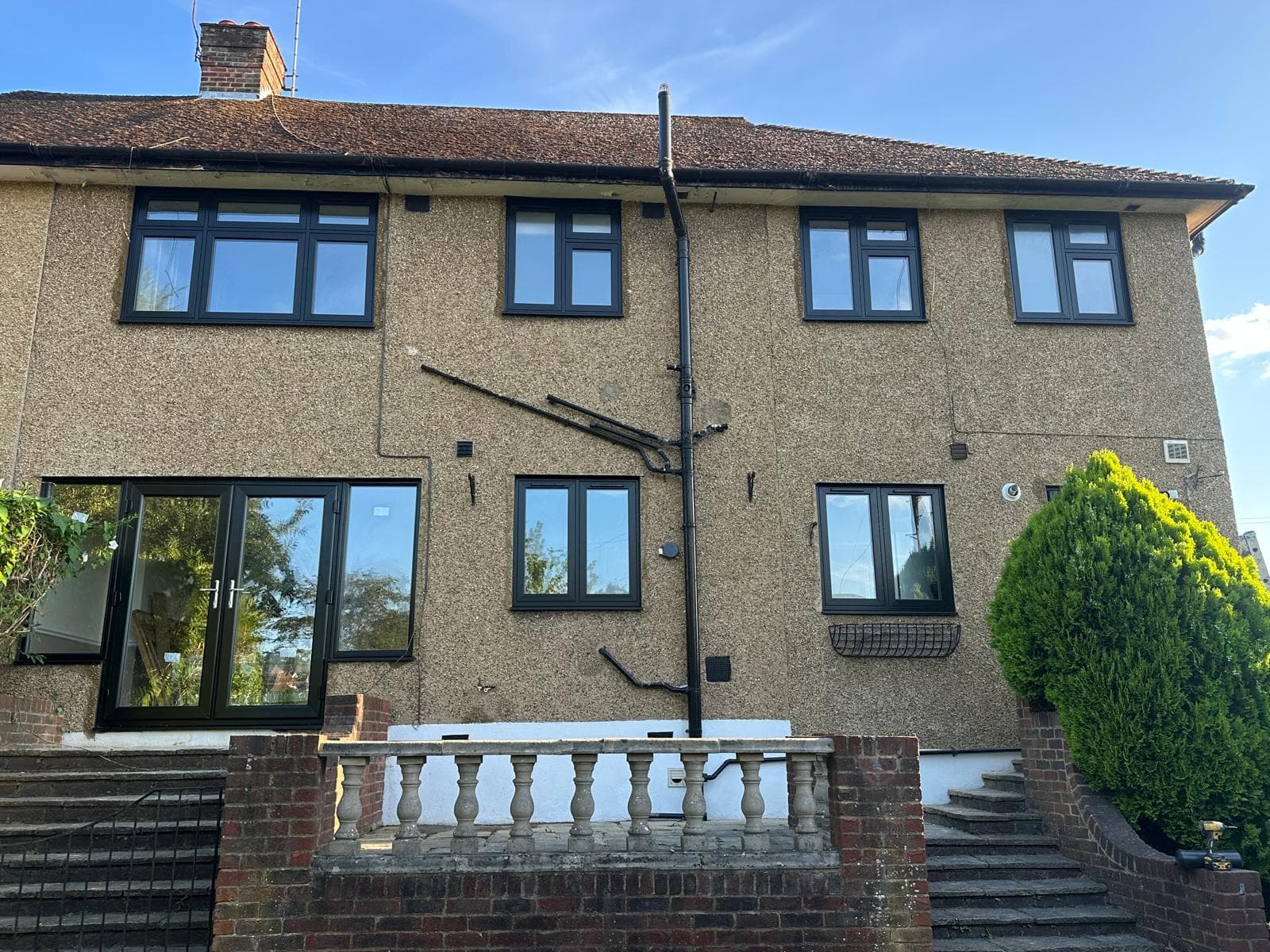
Aluminium windows are widely marketed as a premium upgrade that "adds value" to a home. Homeowners considering a full-house aluminium installation, a significant spend that sits above a like-for-like uPVC replacement, want to know whether that money actually returns when they come to sell. Our aluminium windows cost guide covers current pricing; this guide covers the return.
This guide gives you the honest answer from the perspective of estate agents and RICS valuers working in the UK Home Counties in 2026 — where aluminium windows help most, where they don't move the needle, and how to maximise the return on the investment.
The Short Answer
Quality aluminium windows typically recover a substantial share of their installed cost in added property value at sale, and continue to pay back each year through lower heating bills, minimal maintenance and a faster sale.
For a full-house aluminium installation on a typical Home Counties family home:
- Direct property value uplift: a substantial share of the installed cost
- Annual energy savings: a lower heating bill than with the original glazing
- Removes a "needs work" objection that buyers otherwise use to negotiate the price down
- Speeds sale by 2-4 weeks on average (based on RightMove time-on-market data for properties with "new windows" in the description)
Net result: on most property sales within 10 years of installation, you recover the full cost plus a premium. Beyond 10 years, the energy savings and reduced maintenance alone typically exceed the installation cost.
How RICS Valuers Assess Windows
When a surveyor values a property, windows are scored on four criteria:
1. Age and condition — are they original? When were they last replaced? 2. Energy efficiency — do they meet current Building Regulations? Do they have a FENSA certificate? 3. Security — PAS 24? Multi-point locking? Laminated glass? 4. Visual quality and matching — do they match the property style? Consistent across the house?
Quality aluminium windows score maximum on 2 and 3, and high on 4. The outstanding question is 1 — which is simply the cost of the installation.
For mortgage valuations, surveyors rarely put a specific line-item figure on "new windows" — but a house with A-rated aluminium windows with FENSA documentation typically surveys at the top end of the local price band, while a house with failing 1990s uPVC sits at the bottom.
Where Aluminium Windows Add Most Value
Premium property markets
In locations where even entry-level homes sit at the upper end of the market (most of Buckinghamshire, Berkshire, Oxfordshire, Surrey commuter towns), buyers expect premium specification. A detached Beaconsfield home with tired 1990s uPVC windows reads as "work to do". The same property with slim-profile Cortizo aluminium reads as "renovated to standard" and sells faster and closer to asking price.
Value uplift: a full-house aluminium upgrade typically gives a meaningful lift to the achievable price.
Contemporary and extension-based properties
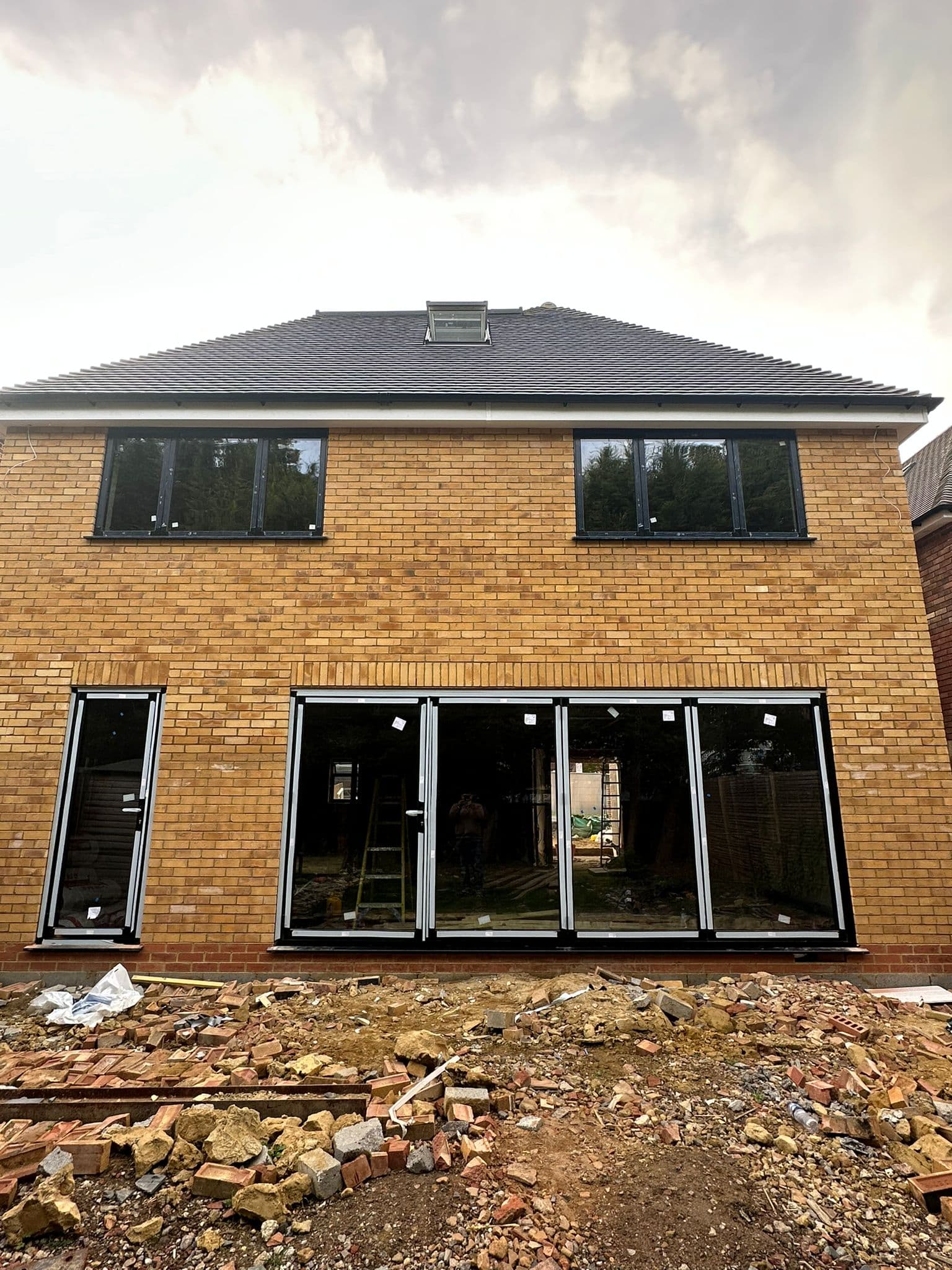
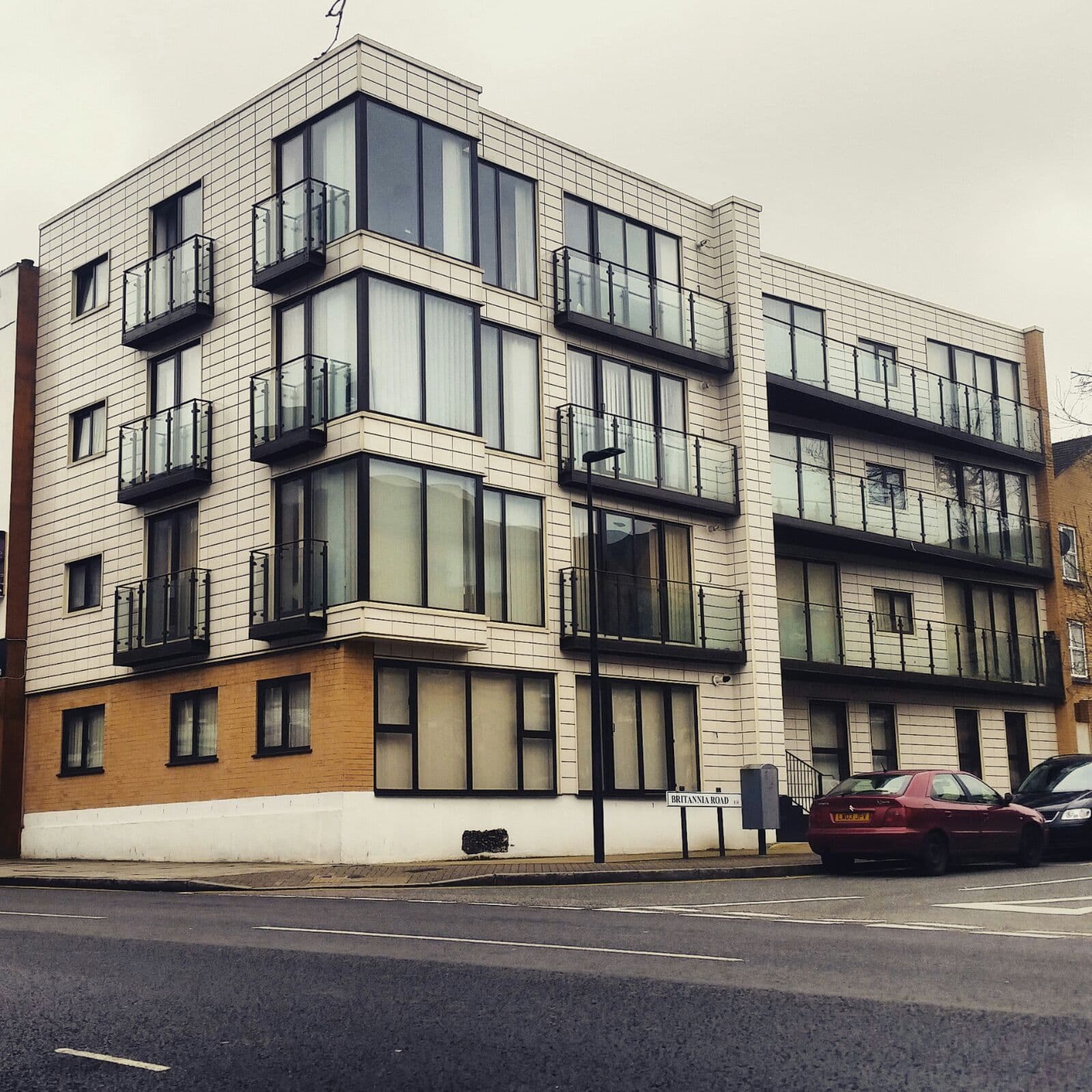
Modern extensions, contemporary new-builds, and architect-designed renovations are expected to have aluminium windows. On these properties, uPVC actually detracts from value because it clashes with the design language.
Value uplift: the strongest of these property types; a poor match can reduce value by a similar margin.
Properties recently extended or renovated
If the extension at the rear is 2020s with aluminium bifold doors and modern glazing, and the front of the house has 1990s uPVC casements, the mismatch is obvious. Bringing the front elevation up to the extension standard closes the gap and unlocks the renovation premium.
Value uplift: typically recovers much of the installation cost straight away.
Conservation area / period properties (heritage aluminium)
Heritage aluminium systems like Cortizo's heritage range or Smart Heritage on a 1920s-40s property in a conservation area can add meaningful value because they solve a problem: original Crittall steel windows that are beyond economic repair. Replacement with heritage aluminium is often the only approvable option, and it removes the "needs listed-building work" concern.
Value uplift: a meaningful lift in value, plus a faster sale.
Where Aluminium Windows DON'T Add Much Value
Starter-home market
In the starter and first-time-buyer bracket, buyers prioritise price over spec. A three-bed starter semi with new aluminium windows sells for roughly the same price as an identical property with sound uPVC, so much of the spend is not recovered at sale.
Better spec choice: mid-range uPVC or aluminium if you need to stay in budget.
Properties where other work is needed more
Windows are rarely the most impactful spend. If your kitchen is original 1990s, your bathroom is dated, or the boiler needs replacing, those upgrades typically return more than aluminium windows.
RICS valuation priority ranking for most UK homes:
1. Kitchen (highest return) 2. Bathrooms 3. Loft/basement conversion 4. Central heating upgrade 5. Windows and doors 6. External painting 7. Garden landscaping (lowest return)
Windows are a solid mid-tier return — not the biggest value driver, but reliable and essential for properties where the existing glazing has failed.
Listed buildings
On a Grade I or Grade II* listed building, aluminium windows are almost never approved under listed building consent. Any installation that doesn't have listed building consent is a major liability at sale and reduces value rather than increasing it.
What Moves the Needle Most
If you are installing aluminium windows specifically to maximise resale value, these decisions matter:
1. Consistency across the whole property
A full-house replacement returns significantly better than piecemeal replacement. Two original and three new windows on the front elevation looks worse than all original. Budget for consistency.
2. FENSA certificate
A FENSA certificate is mandatory documentation for sale (replaces Building Regulations approval for the window work). Without it, the buyer's solicitor will flag it as a defect — and you may need a retrospective indemnity insurance policy to close the sale. Every reputable installer provides this automatically.
3. Appropriate colour choice
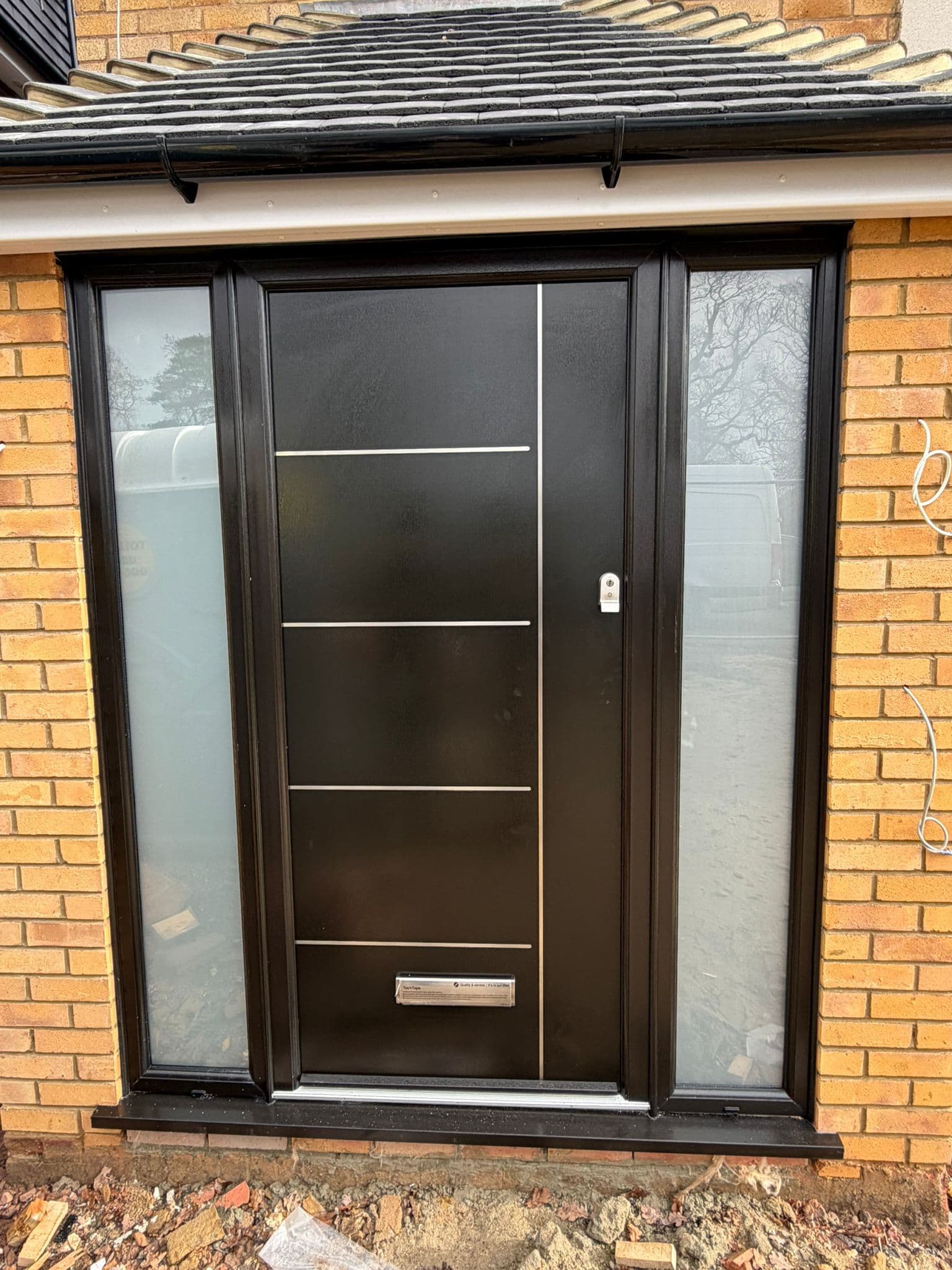
In the UK, anthracite grey (RAL 7016) and jet black (RAL 9005) have become the default "premium" aluminium colours and sell well across property types. White aluminium (RAL 9016) reads as budget-spec. Unusual colours (racing green, chocolate brown, deep red) can be polarising and reduce the buyer pool.
Safe high-return choices: - Anthracite grey (best universal premium finish) - Matt black (contemporary edge, works on modern properties) - Cream / RAL 9001 (period properties only) - Dark bronze / Brondels (heritage properties)
4. Glass specification
- Double glazing, A-rated: standard, no premium signal
- Triple glazing: valuers note this in the mortgage survey but buyers rarely pay extra for it
- Laminated inner pane (security): positive signal, worth specifying
- Self-cleaning glass: small premium signal, nice-to-have
For most projects, well-specified A-rated double glazing is the right spend level. Triple glazing is a nice-to-have that doesn't recover its incremental cost.
5. The right brand
Cortizo and Schuco ranges carry recognisable brand value — mentioning the brand name in the property listing has measurable effect on click-through rate on RightMove and Zoopla. Budget aluminium systems don't carry the same recognition.
"Cortizo aluminium windows and Schuco bifold doors" in a property listing reads as premium to informed buyers and is worth including.
Annual Savings on Top of Resale Value
Independent of property value, aluminium windows deliver ongoing annual savings:
Energy savings
Replacing 1990s-2000s uPVC with current Rehau TOTAL70 or Cortizo Cor 70 Hidden Sash aluminium: - U-value improvement: from ~1.8 W/m²K to 1.2 W/m²K - Annual heating cost saving (typical 3-bed semi): a noticeable reduction in heating bills - Annual heating cost saving (4+ bed detached): larger again, because there is more glazed area losing heat
For homes with air-source heat pumps installed under Part L 2025 revisions, the saving is higher because heat pumps are disproportionately affected by window heat loss.
Maintenance savings
- No painting required: no redecoration bill every 6-8 years, as there is with timber
- No re-sealing required: no recurring seal repair bills
- No lock/hinge replacement: typical aluminium hardware runs 15-20 years before service
- No frame replacement: 40+ year lifespan vs 35+ year typical uPVC
Insurance impact
Some home insurers offer a discount on buildings insurance for homes with PAS 24 certified windows. Worth asking your insurer at renewal after replacement.
The Honest Disclaimer
"Adding value" is not a guarantee and depends entirely on your local property market, the specific property, and the quality of installation.
Situations where aluminium windows may NOT pay back:
- You plan to sell within 2-3 years and the existing windows are acceptable
- Your property is in a declining local market where all improvements underreturn
- The existing windows are genuinely fine and have 10+ years of life remaining
- You are investing in the absolute top end of specification on a mid-market property
For personalised advice, speak to a local estate agent about your specific property before committing to a major glazing spend.
What To Ask Your Installer
If you are investing in aluminium windows partly for resale value, ask your installer:
1. Brand and system name — needs to be Cortizo, Schuco, Smart or equivalent premium-recognised 2. U-value — specify in writing; target 1.2-1.4 W/m²K 3. FENSA certificate — confirmed included 4. 10-year CPA insurance-backed guarantee — confirmed included 5. Colour options — stick to anthracite, black, cream or heritage 6. Hardware — branded lever sets (Cortizo handles, Roto hinges) are worth specifying 7. Trickle vents — mandatory from June 2022, specify hood or slim-profile style
Getting Advice
Vitrum Solutions provides written itemised quotes for Cortizo and Schuco aluminium windows across Buckinghamshire, Berkshire, Oxfordshire, Surrey, Hampshire, Hertfordshire and West London. Every installation is FENSA registered with a 10-year CPA insurance-backed guarantee.
Request a quote and we'll provide both the technical specification and realistic guidance on which upgrades will and won't recover their cost at resale.
Frequently Asked Questions
How much value do aluminium windows add to a typical UK family home?
A full-house aluminium installation typically returns a substantial share of its installed cost directly as added property value at sale, plus the removal of a "needs work" objection that buyers otherwise use to negotiate the price down. The combined effect usually recovers more than the installation cost within the first five years of ownership. For what the installation itself costs, see our aluminium windows cost guide.
Are aluminium windows worth the spend if I'm selling within three years?
In premium property markets (Beaconsfield, Gerrards Cross, Windsor, Ascot, Marlow) the answer is usually yes, because buyer expectations at the top of the market include modern slim-profile glazing. In mid-market areas the maths is tighter, and uPVC at a lower cost often recovers a similar share of its spend. The clearest signal: if your road sells homes with new aluminium windows, you need them. If most sales are uPVC, uPVC is fine.
Do estate agents specifically mention "aluminium windows" in property listings?
Yes, particularly at the premium end of the market. Listings that include phrases like "newly fitted Cortizo windows" or "aluminium-framed throughout" attract more viewings and sell on average 2-4 weeks faster than comparable properties with no glazing specification mentioned, according to RightMove time-on-market data. The specific brand mention matters more than just "aluminium" because buyers in premium markets recognise the system tier.
Does FENSA registration affect property valuation?
Indirectly but materially. FENSA certification is not a line-item in mortgage valuations, but its absence creates a conveyancing problem: the buyer's solicitor will require either a FENSA / CERTASS certificate, a retrospective Building Regulations compliance certificate (a local authority charge, with the current fee on your council's website, and slow to obtain), or an indemnity insurance policy. Properties without certification on visibly recent windows commonly see money knocked off agreed sale prices, or sales fall through entirely.
Which aluminium brand adds the most value at resale — Cortizo or Schuco?
In the UK premium property market both are recognised as top-tier specifications, and surveyors do not differentiate between them on value. Where one beats the other is buyer recognition: Cortizo has higher consumer brand awareness in Buckinghamshire and Berkshire (Cortizo COR Vision and Cor 70 Hidden Sash are widely cited in property listings), while Schuco has stronger recognition in architect-specified projects and on the contemporary new-build estates around Surrey and the M4 corridor. For a self-specified replacement project, either delivers the resale signal.
Need advice on your next project?
Talk it through with the team, or leave your details for a free no-obligation written quote.
FENSA registered · 10-year CPA insurance-backed guarantee · Cortizo, Schuco & Rehau approved · Origin Approved Partner